
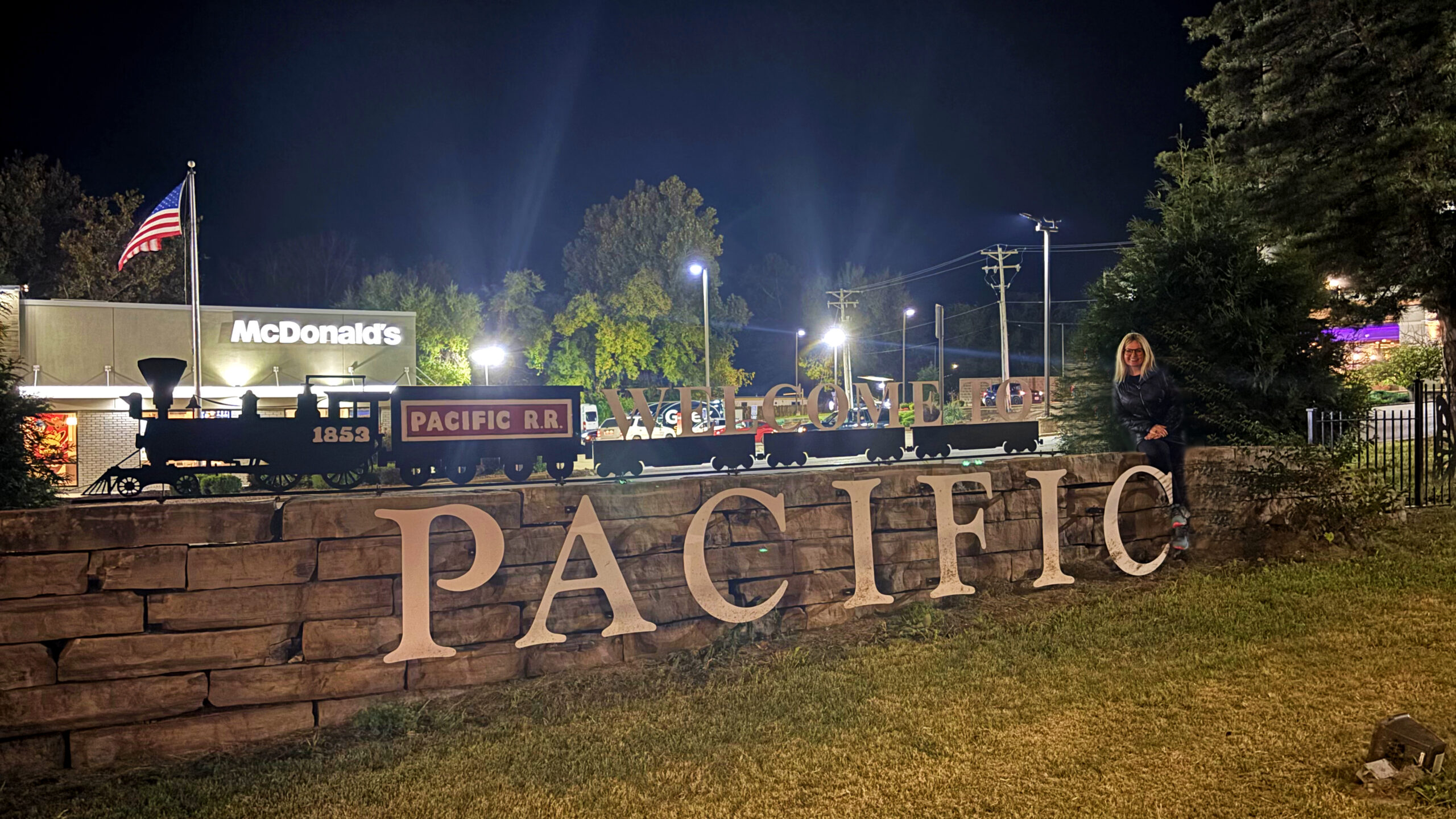
Dan and I are back on the road again.
We had a lovely time at our camp in Maine, but the weather turned cold, and it was finally time to head west for the holidays. On our way back, we decided to make a stop in my hometown of Pacific, Missouri.
I suppose it took me fifty years to be ready to talk about the trailer court where I grew up.
Last week, I took Dan there. As we walked the streets where I spent my first seven years, memories started surfacing one by one.
Funny thing about childhood memories, though: they hit differently when you’re looking at them through adult eyes.
Back then, I knew we were poor. But I was little, and it didn’t seem particularly remarkable. It was simply my life.
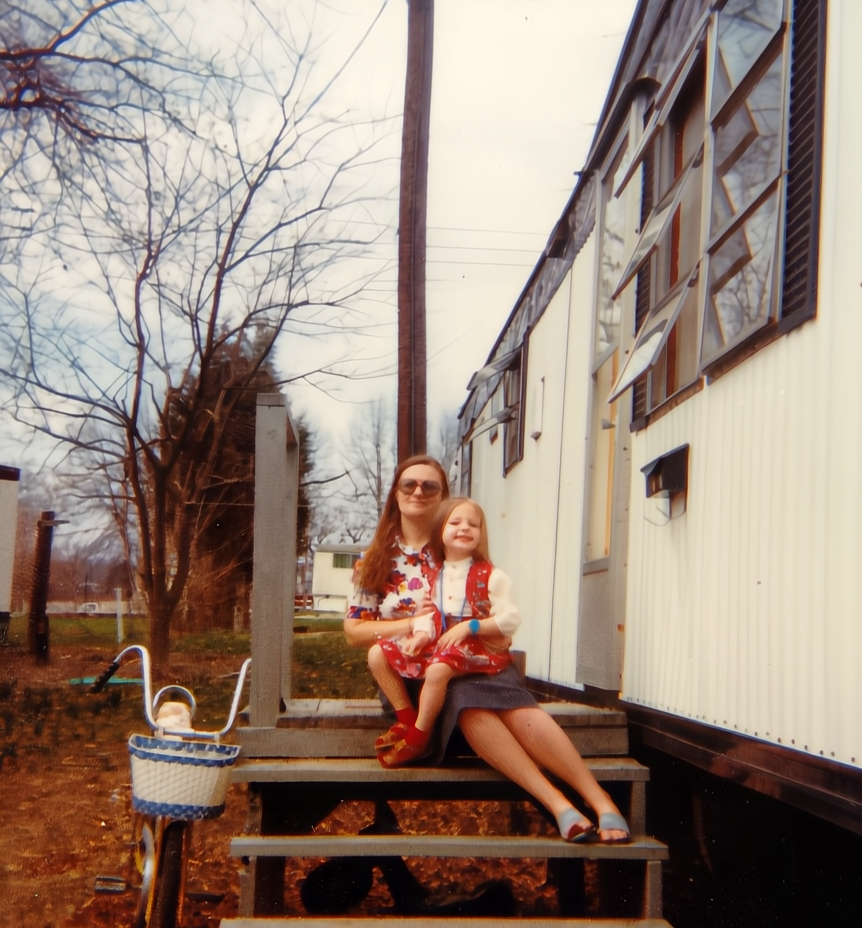
Now I understand how we got there.
My mother was the granddaughter of Louis Laemmle, an important figure in Hollywood’s Golden Age, and the grand-niece of Carl Laemmle, founder of Universal Studios. (If you’d like the full story, it’s all in my book, The Life of Louis Laemmle.) So how did the daughter of a prominent Hollywood family end up nearly penniless and living in a run-down trailer court in rural Missouri?
The answer is complicated, but I’ll try to give you the short version.
My grandmother, Eleanor Laemmle, was diagnosed with schizophrenia in the 1950s, a time when mental health care in America was often cruel and primitive by today’s standards. She was institutionalized at Camarillo State Hospital and underwent treatments that left her unable to care for her daughter, my mother, Peppi.
My mother spent much of her childhood being raised by her grandparents, Louis and Frieda Laemmle. After they passed away, she found herself alone. At fifteen, she was placed in an orphanage in Los Angeles called Vista Del Mar. The experience was deeply traumatic and included both physical and sexual abuse.
My mother ran away repeatedly. She still bears scars on her hands from rope burns she received while tying bedsheets together and climbing out a second-story window. When she turned eighteen, she moved into a halfway house known as Hamburger Home and found work as a switchboard operator for Southwestern Bell Telephone Company.
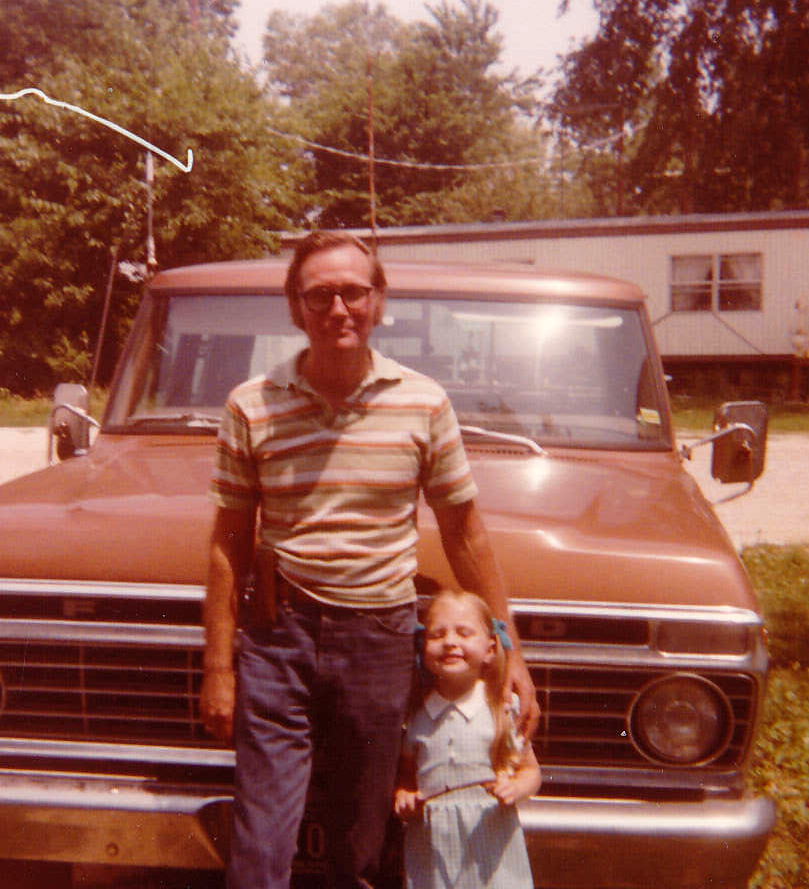
Somewhere during that chapter of her life, she met my father, William Joseph Carlin, known as Bill.
She was nineteen.
He was forty-five.
Bill had served in the Air Force, had already been married and divorced, and had two children, Bonnie and Billy. Together, he and my mother decided to head east in search of a fresh start. Before they got very far, my mother discovered she was pregnant with my sister, Elizabeth Anne.
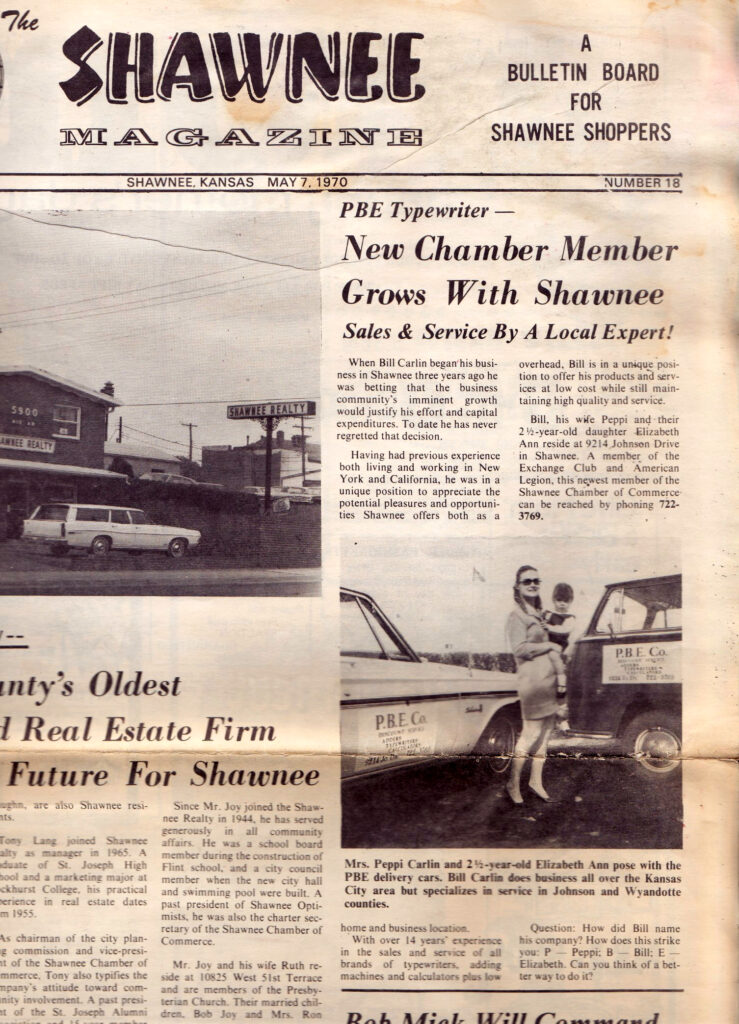
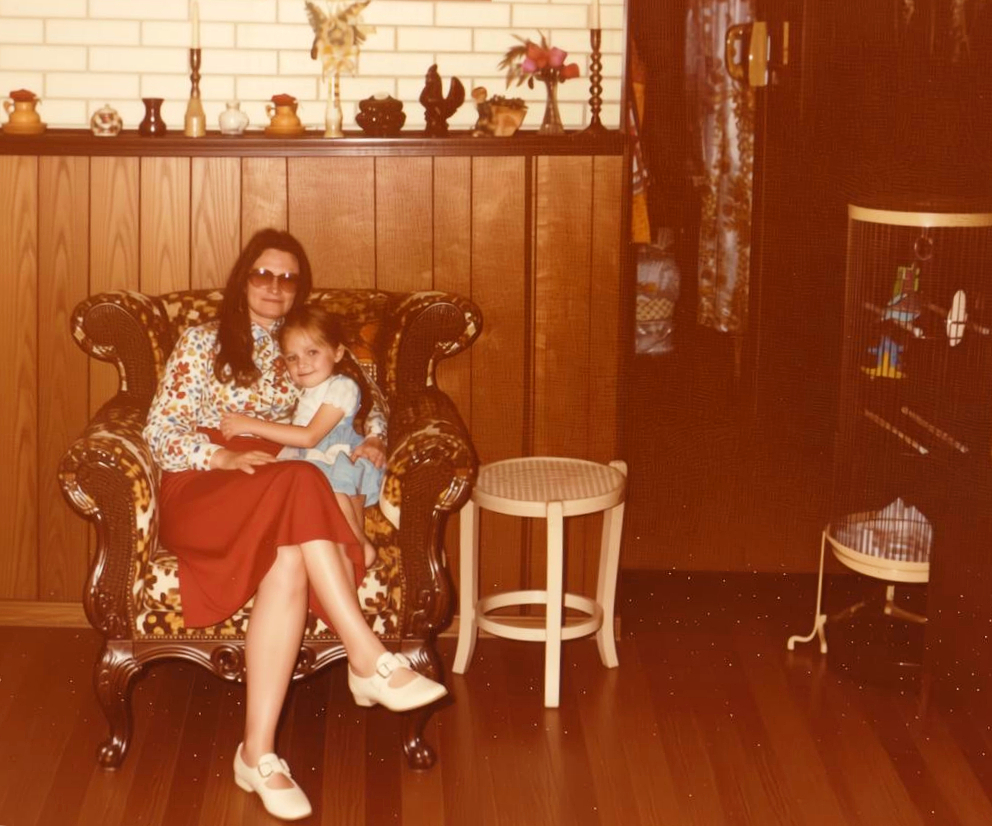
The couple settled temporarily in Kansas, where they started a small business repairing typewriters and adding machines. They called it PBE Typewriter, named after Peppi, Bill, and Elizabeth. By all appearances, they were building a pleasant little family life.
Eventually, wanderlust struck again. They packed up and headed farther east, spending a few years in the Hamptons on Long Island with my father’s relatives. My sister attended school there before the family once again decided it was time to move.
This time, they were headed back to California.
Along the way, my mother discovered another baby was on the way.
That baby was me.
In 1976, they settled briefly in Terre Haute, Indiana, where I was born. My father worked maintenance at Indiana State University and my parents rented a small house at 501 South Fifth Street. The arrangement was never intended to be permanent.
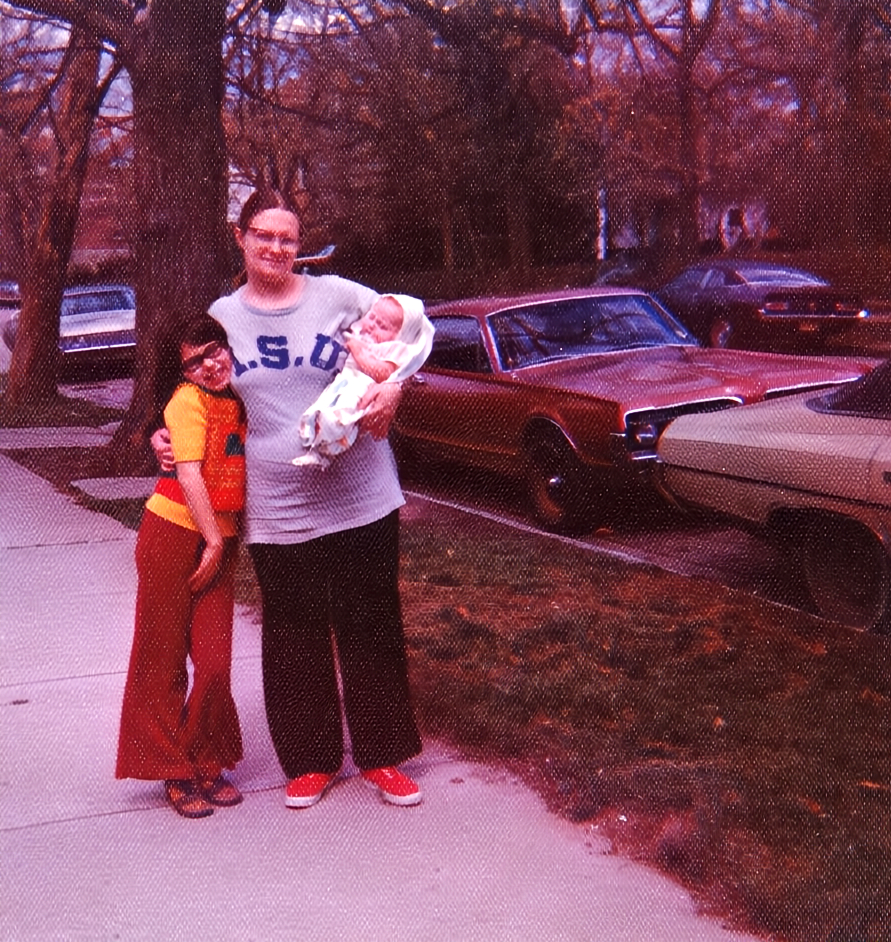
Before my first birthday, they packed up the car once more and resumed their westward journey.
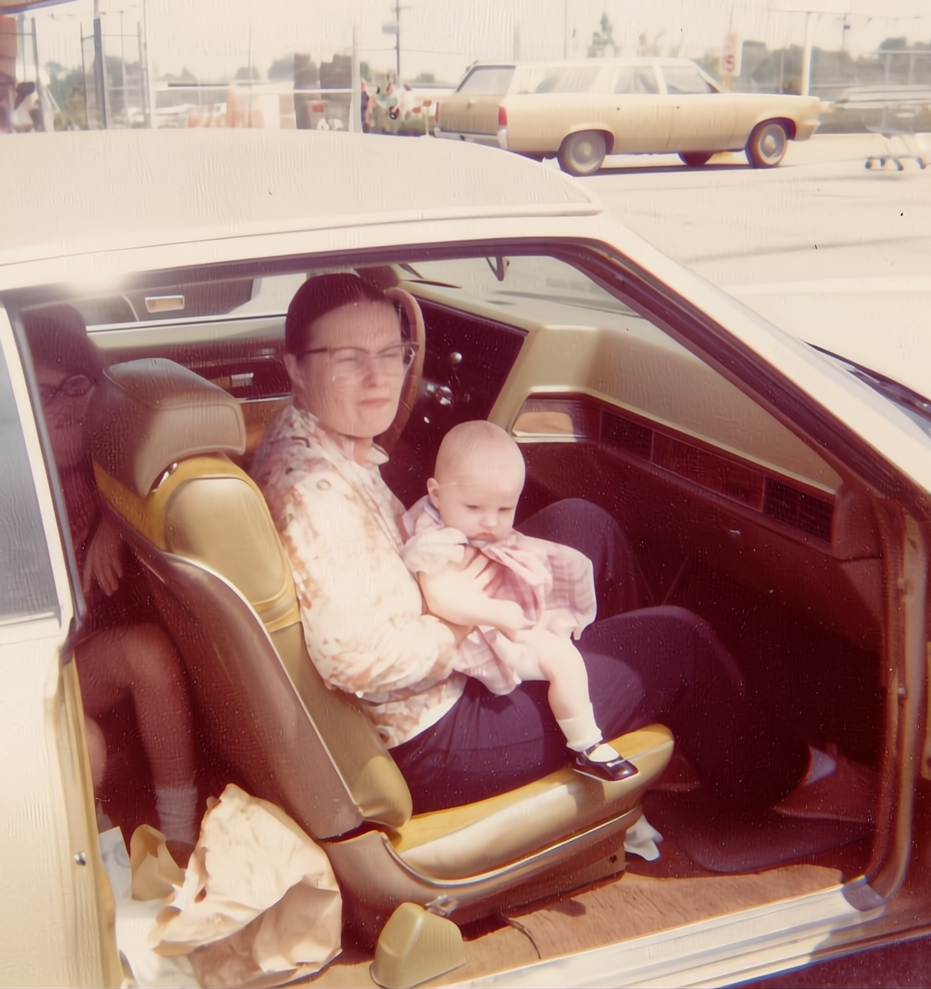
They only made it a few hours.
The car broke down on old Route 66 in Pacific, Missouri.
With money running low, staying put became the only realistic option. My father found a cheap trailer to rent, and my sister enrolled in school while they figured out their next move.
As it turned out, there wouldn’t be one.
What was supposed to be a brief stop along the journey became the town where I spent my entire childhood and eventually began raising a family of my own.
Unfortunately, it was also during this period that my father’s mental health appeared to deteriorate.
According to my mother’s memories, as Bill aged, he became increasingly paranoid and unstable. He developed grandiose delusions, recorded messages proclaiming himself a prophet of God, and wrote letters to the President offering to become his right-hand man.
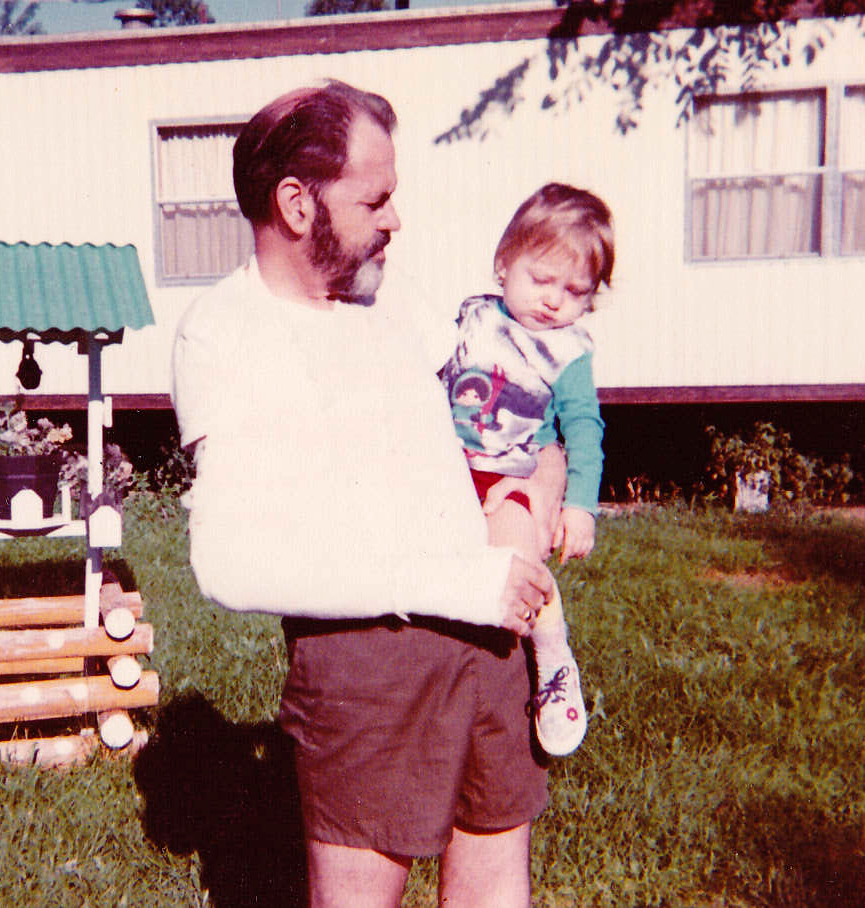
The situation eventually exploded when my mother attempted to leave him. He returned home unexpectedly, flew into a violent rage, and was arrested. After serving time in prison, he was transferred to the St. Louis State Hospital on Arsenal Street.
Throughout my childhood, my mother occasionally referred to “Arsenal Street” in passing. I understood only one thing: it was where my father lived.
It was where the “crazy people” were.
And I was terrified of him.
I have only one memory of my father.
Even now, it feels less like a memory and more like a dream that’s disappearing as soon as I wake up.
I was in kindergarten at Zitzman Elementary when my mother’s friend, Barbara Moehlmann, unexpectedly picked me up from school. That alone felt strange because I normally rode the bus.
When we pulled up in front of our trailer, police cars lined the street.
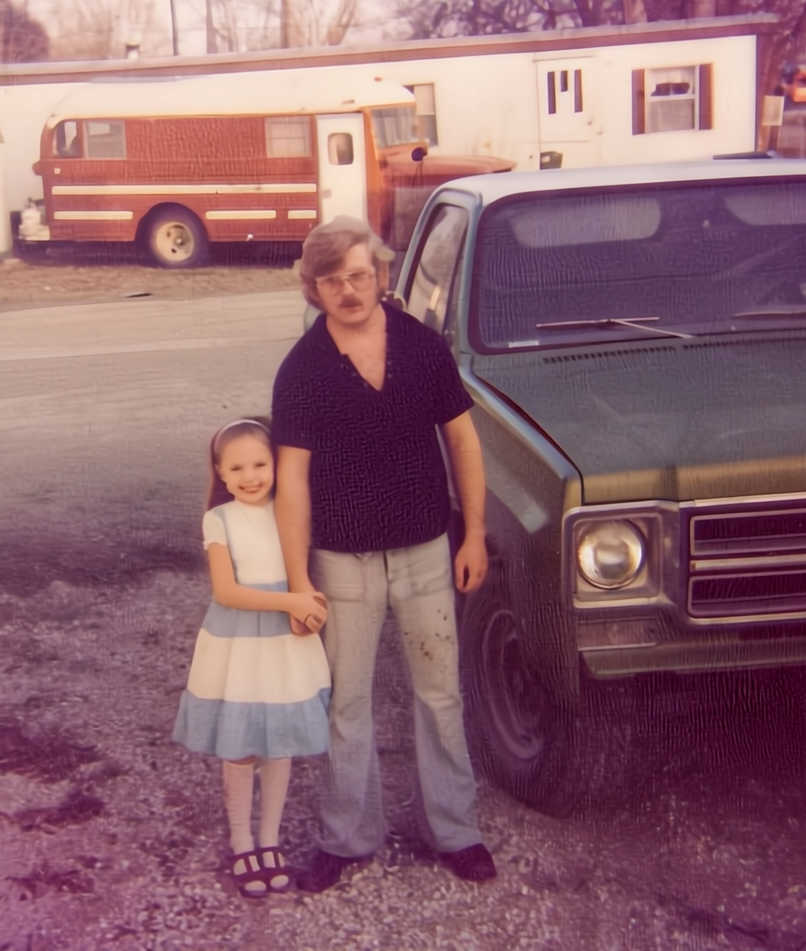
I remember watching an older, balding man in handcuffs being escorted from our trailer and placed into the back of a police car.
I later learned that man was my father.
Earlier that day, he had violated a restraining order by showing up at my sister’s bus stop, following her home, and then waiting outside our trailer for me to return from school.
It was the last time I ever saw him.
Even so, I spent much of my childhood afraid he would somehow return.
That fear finally ended in 1990 when my half-sister Bonnie called to tell us he had died.
I was fourteen years old.
I distinctly remember celebrating with cake.
I didn’t have to be afraid of him anymore.
Court 3, Lot 10
So, back to Court 3, Lot 10.
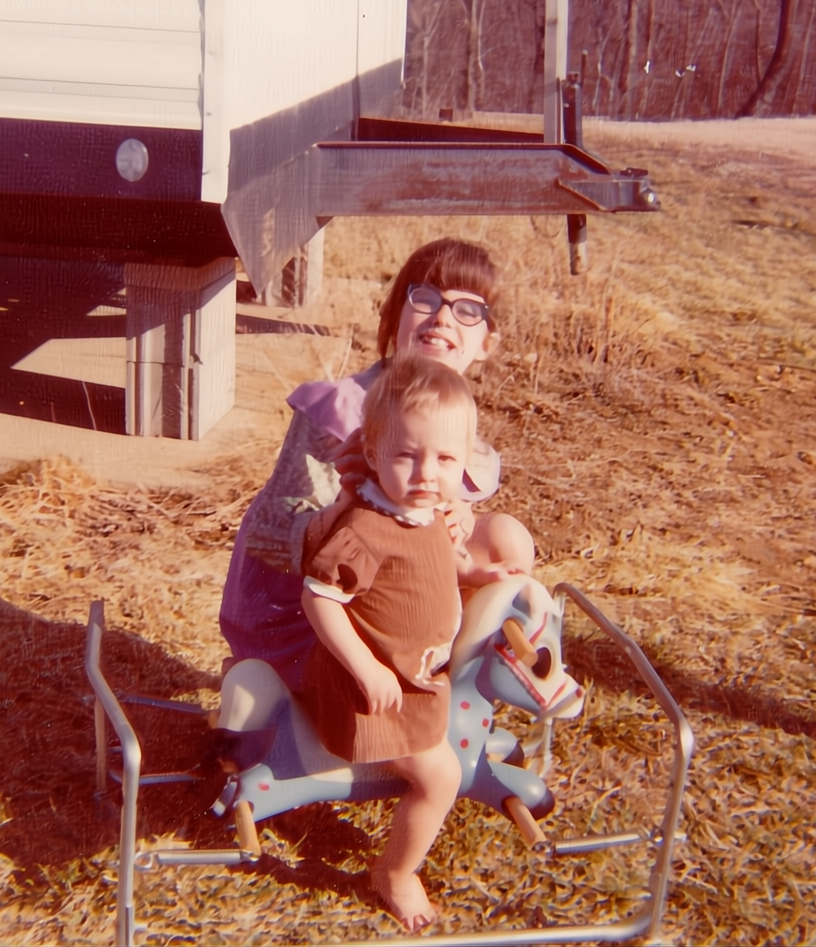
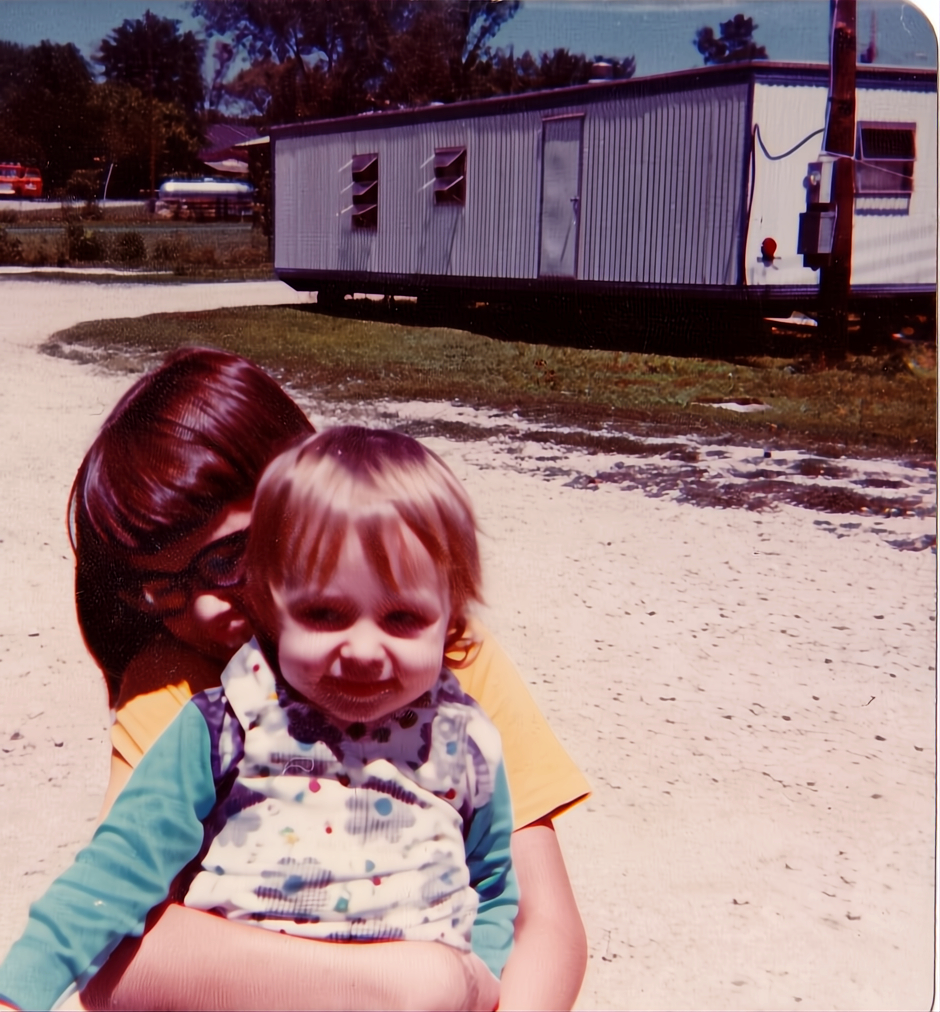
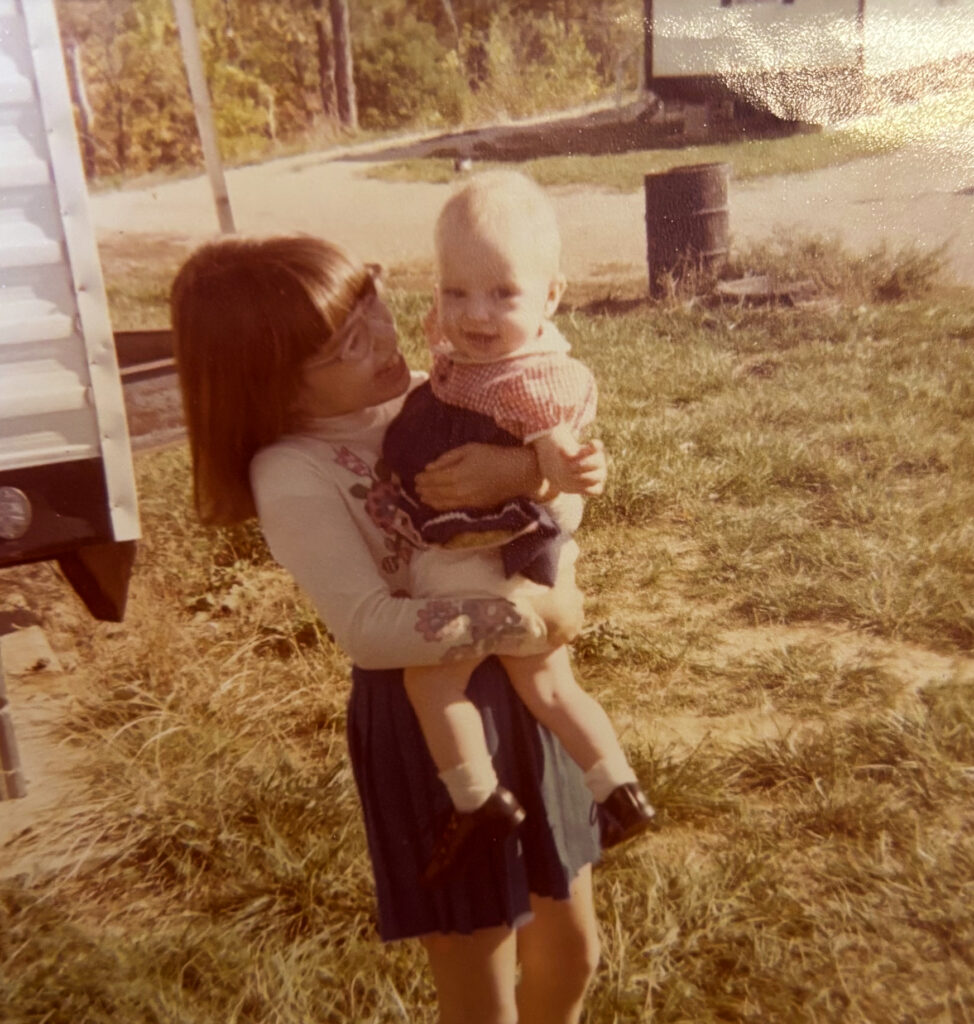
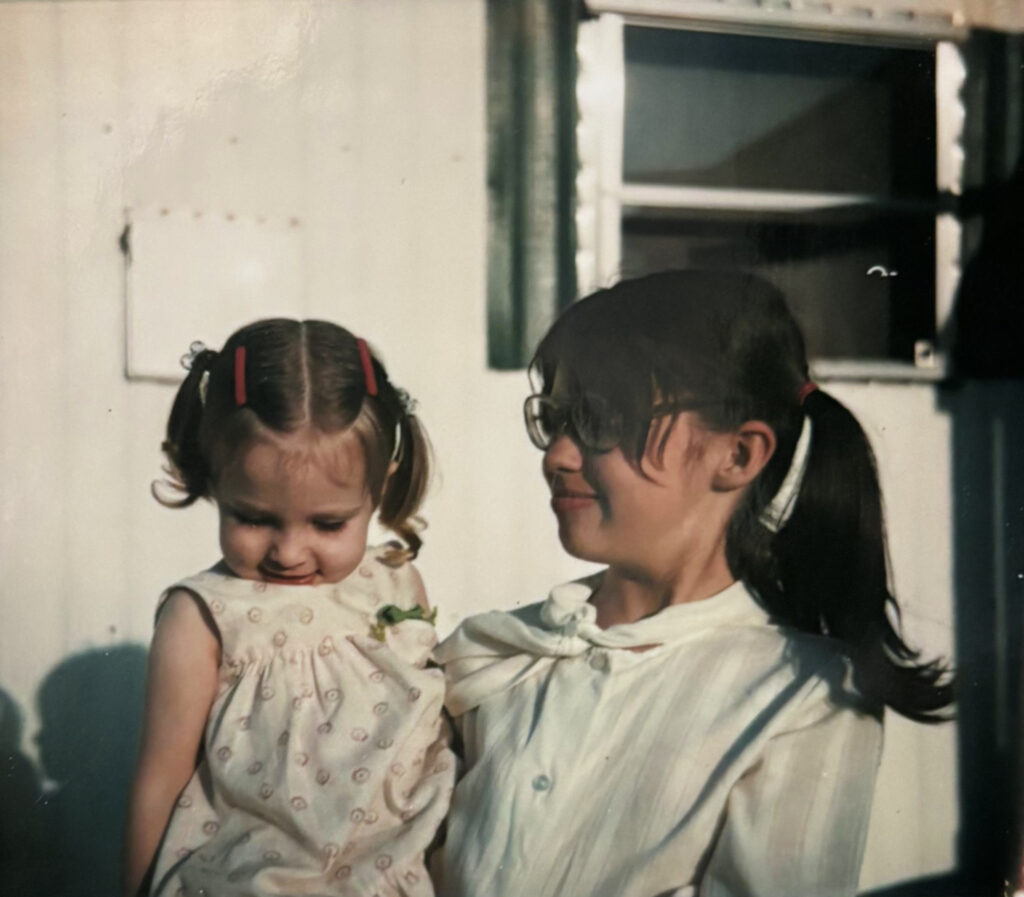
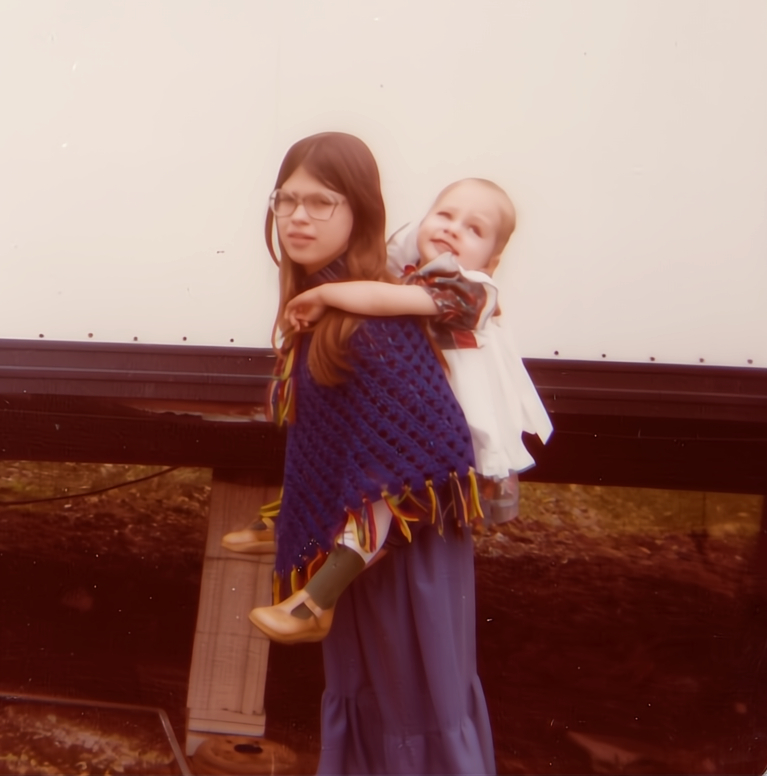
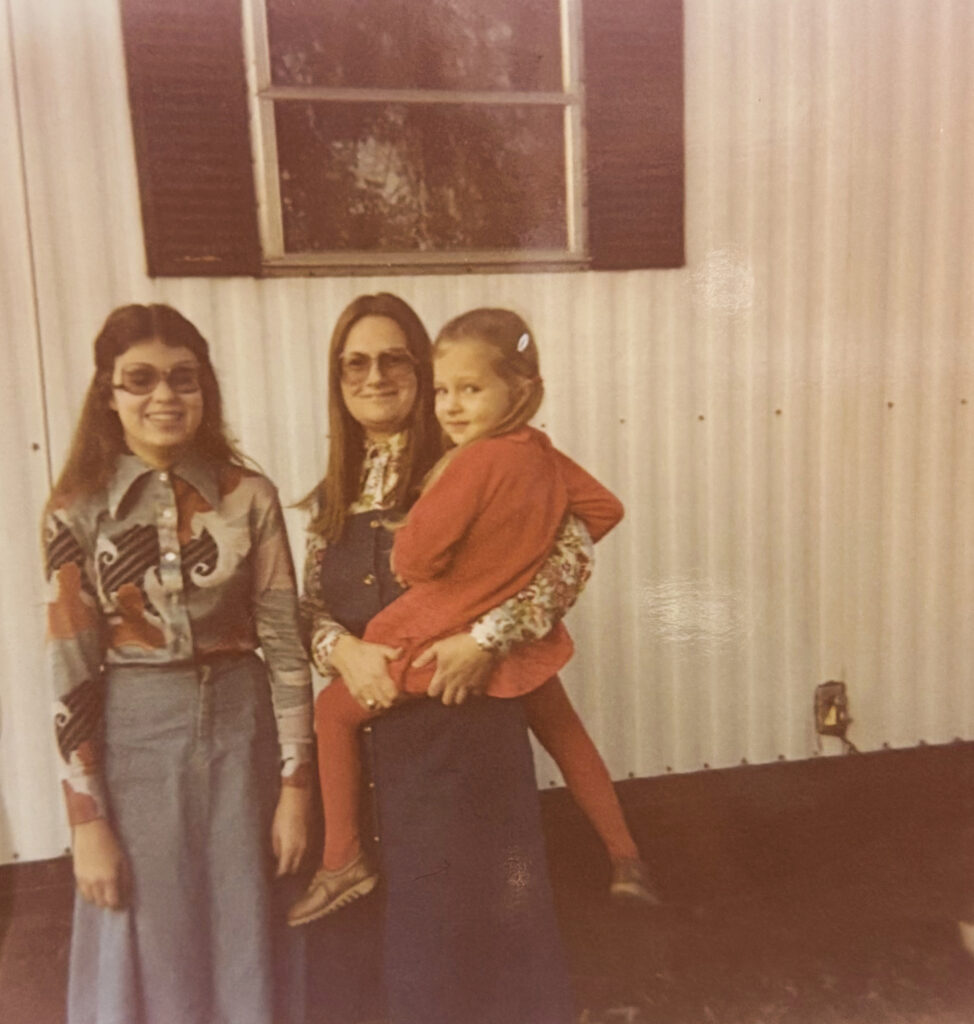
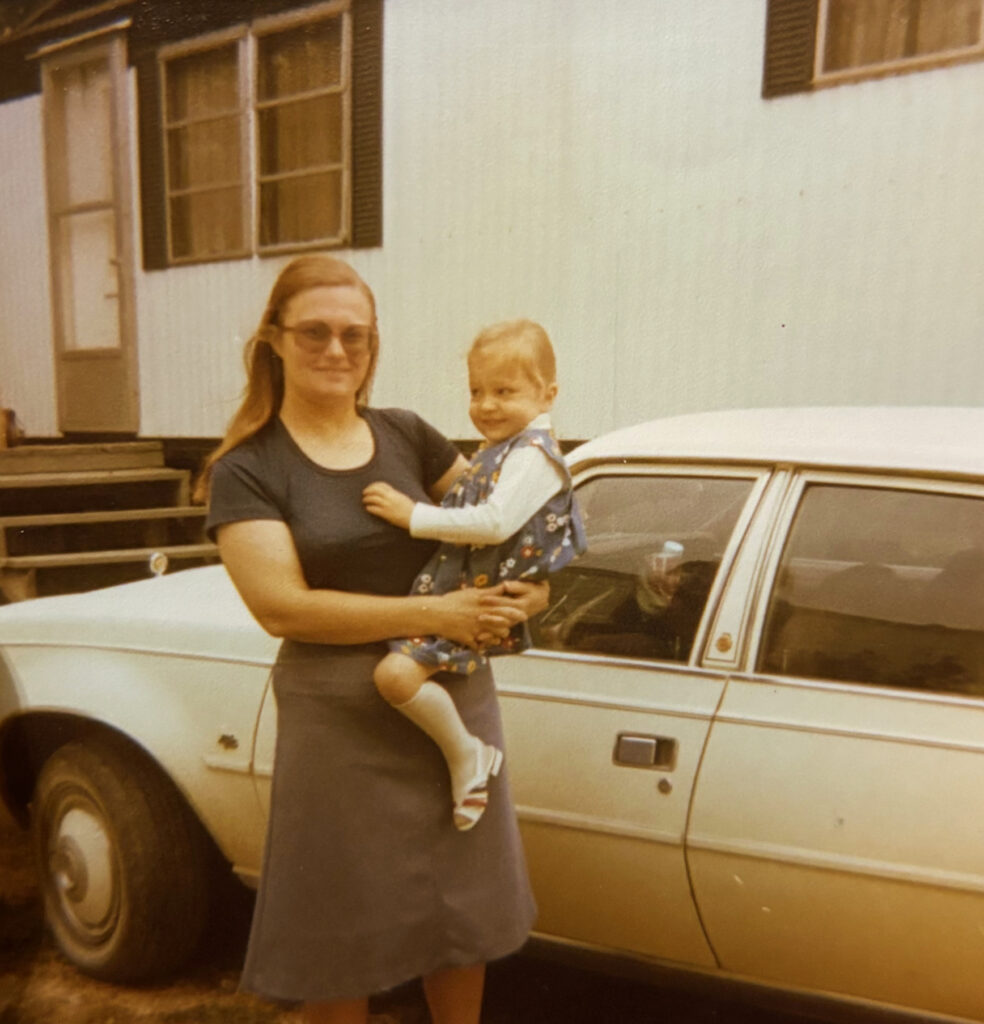
We lived in the same trailer from 1977 until 1983. My mother didn’t drive, so our world rarely extended beyond the places we could reach on foot. It was just my mother, big sister, and me. Unless we could bum a ride, we walked everywhere: to the grocery store, school, church, the library, the post office, the doctor, friends’ houses, and just about anywhere else we needed to go.
Looking back, I realize how thoroughly I knew Pacific. It wasn’t just the town where I lived. For the first seven years of my life, it was my entire world. I also suspect that’s part of the reason I love walking around small towns as we travel in our van. There’s something about exploring a town on foot that feels familiar to me. Maybe it’s because that’s how I first learned the world. Walking the streets, noticing the buildings, and taking in the rhythms of everyday life feels strangely like coming home.
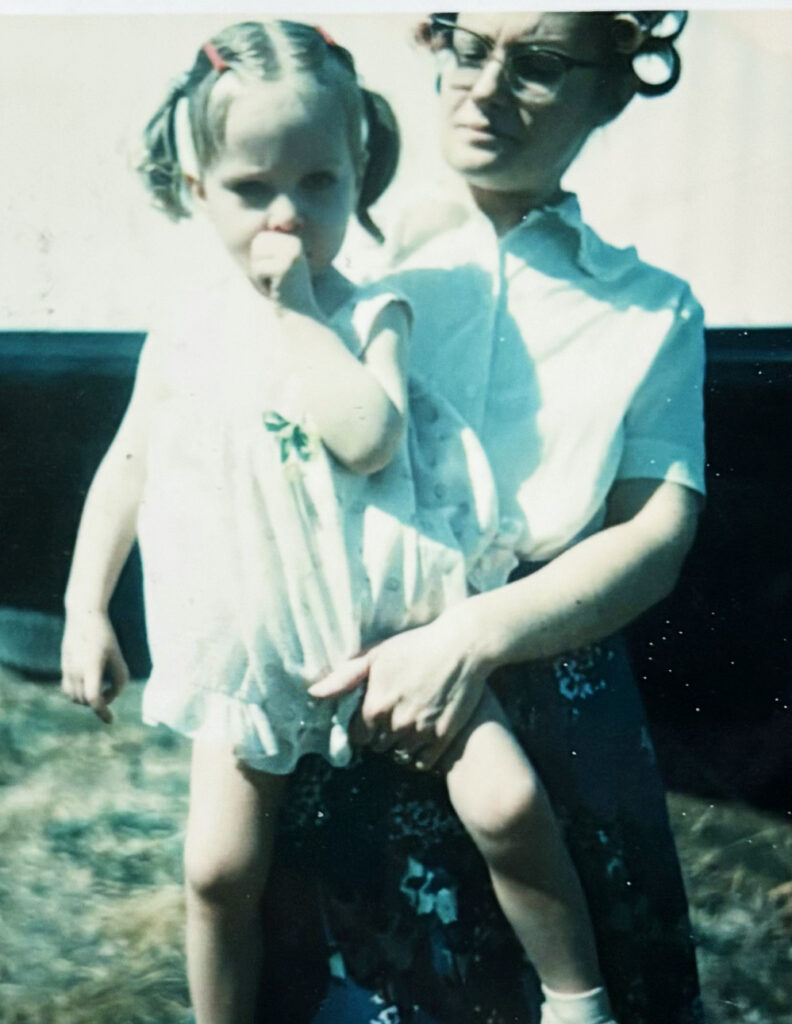
The UPC
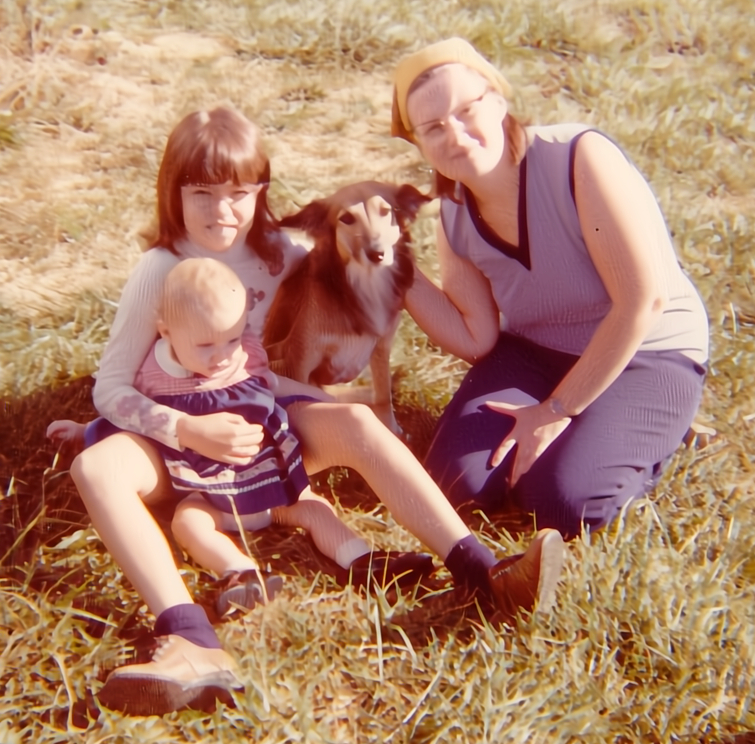
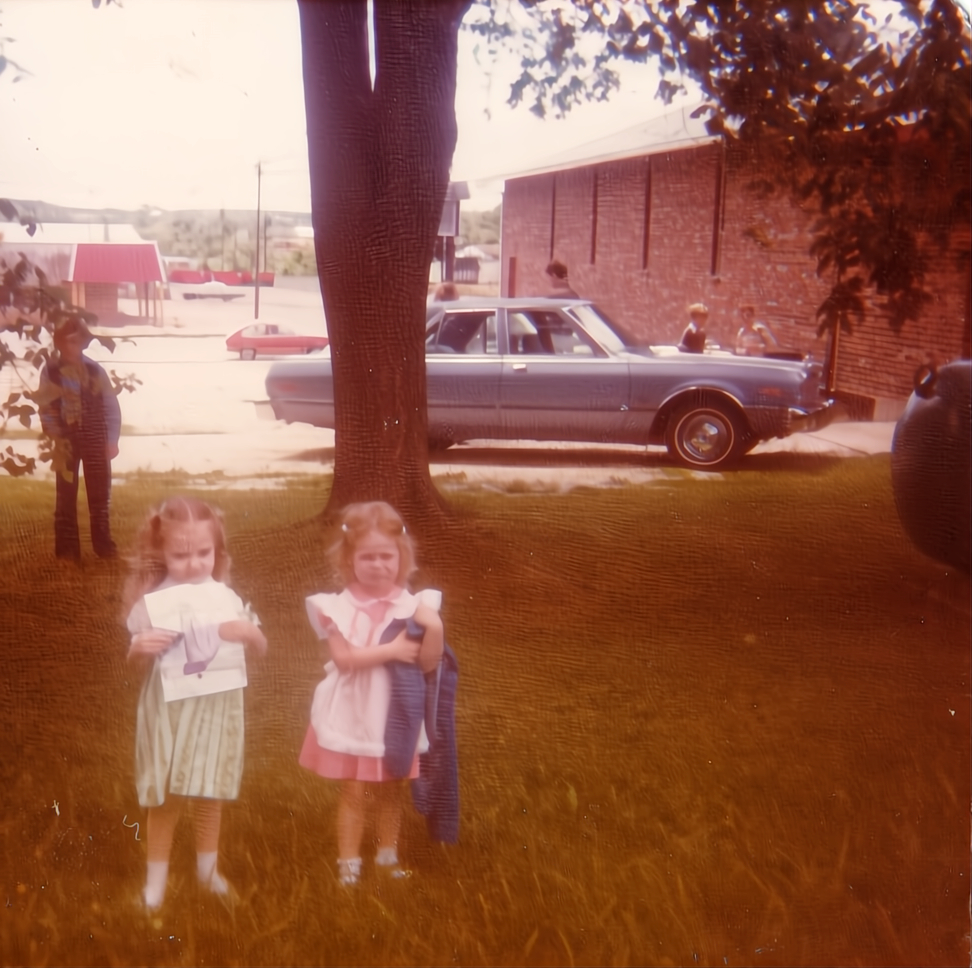
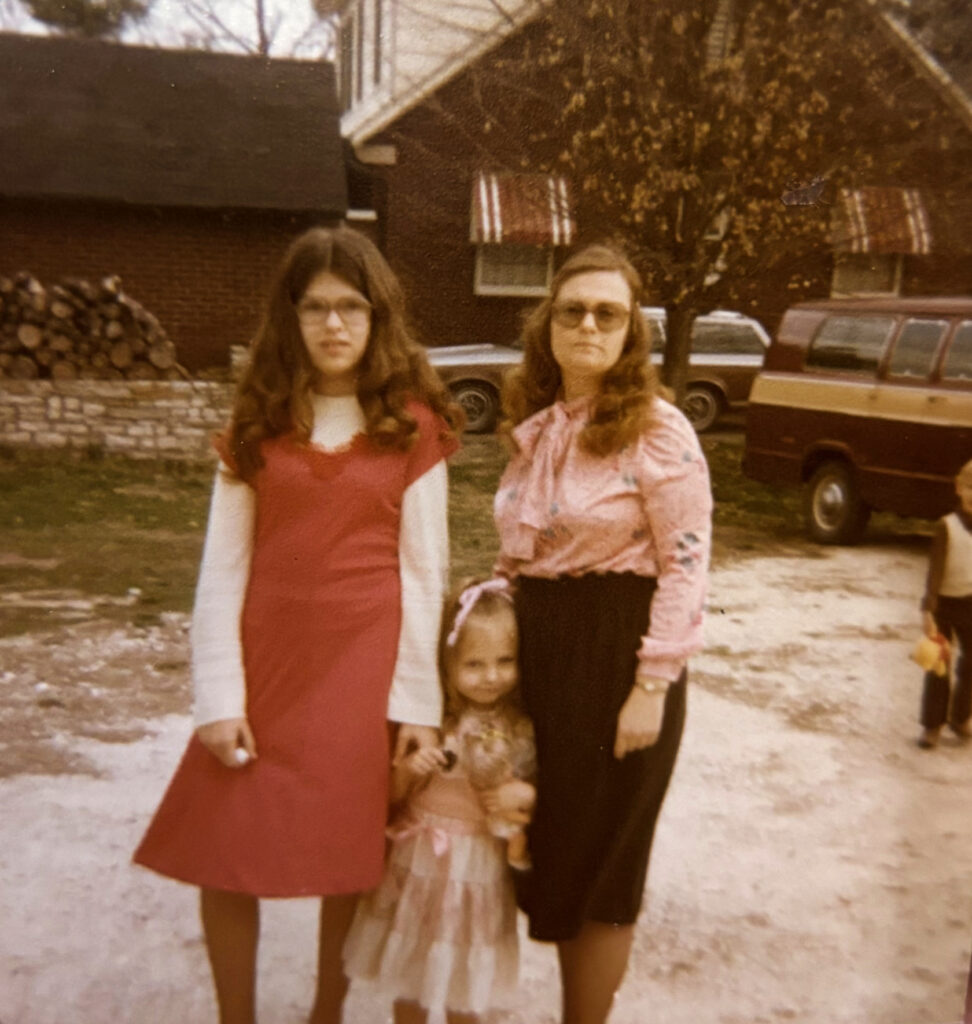
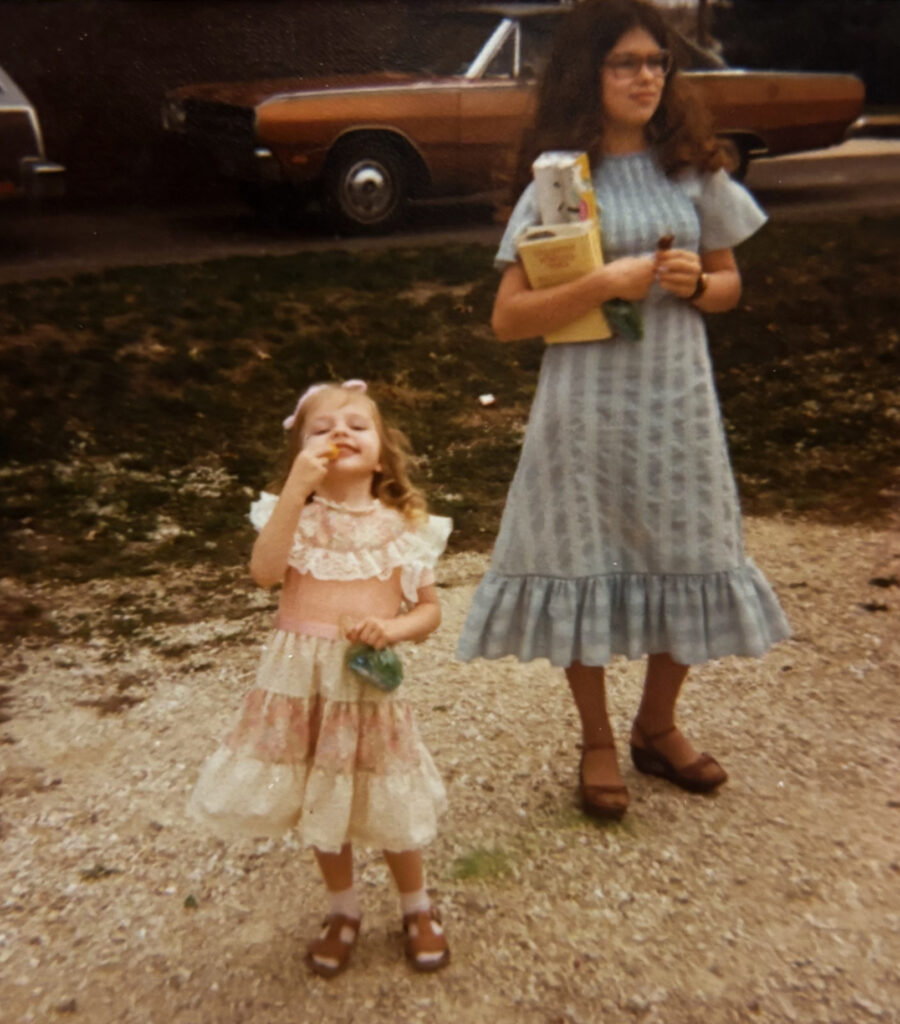
Sometime around 1977 or 1978, we began attending the First United Pentecostal Church in Washington with the Watson family, friends who lived nearby. Looking back, those visits marked the beginning of my UPC story.
There are very few photos of my sister or me wearing pants or cutting our hair after that. In fact, there are no photos of my sister doing either ever again, as she remains a devoted member of the UPC to this day.
My mother, who had been raised in a practicing Jewish family (again, see my book), attended the UPC from time to time but never fully embraced it herself. As for me, I eventually did. From about age eleven until I was nearly thirty, the UPC became a central part of my life, but that’s a story for another blog post.
The truly ironic part is that I didn’t discover my Jewish heritage until 2009. Looking back now, it’s fascinating to realize that I spent nearly two decades immersed in fundamentalist Pentecostalism while being completely unaware of such a significant piece of my own family history. Life has a curious way of revealing important truths long after they might have helped us make sense of our journey.
The short version is this: during our trailer court years, my big sister became firmly rooted in the UPC, while my mother and I never quite did. We each occupied a different place on the spectrum of belief, which created tension within our little family and added another layer of complexity to an already complicated chapter of our lives.
Church Hopping
Downtown Pacific seemed to have a church for every denomination imaginable, and I’m pretty sure I visited most of them.
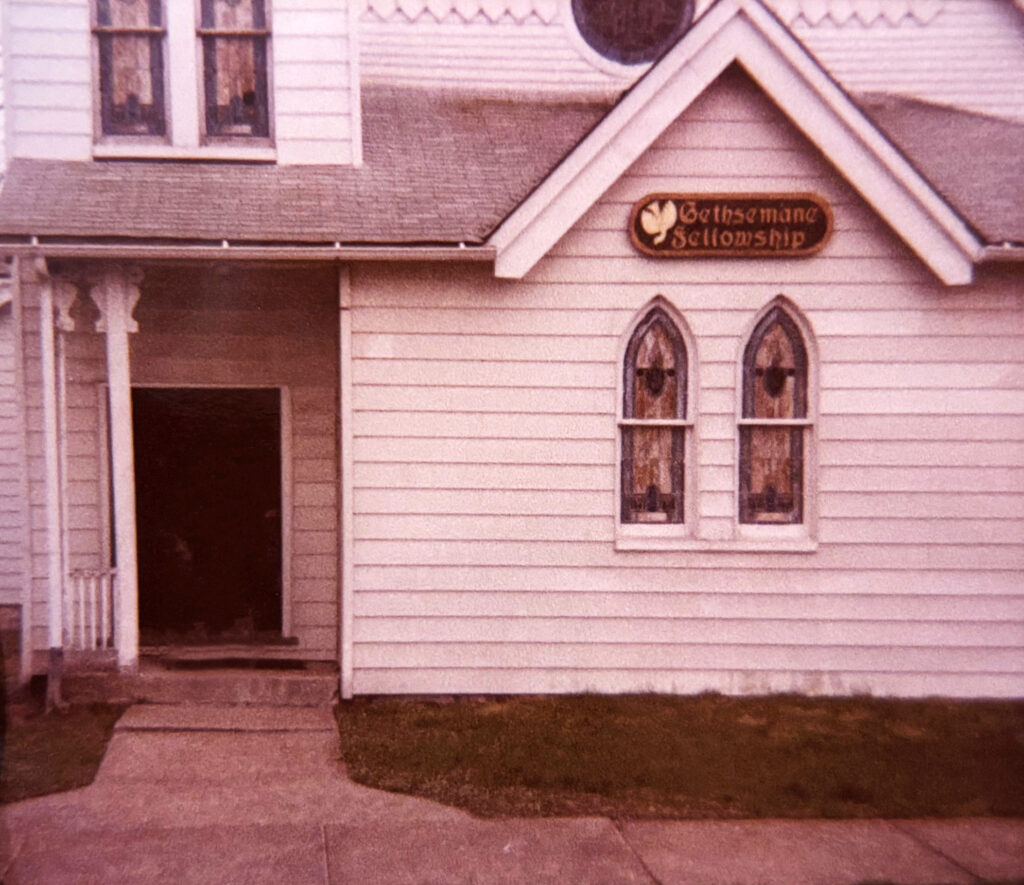
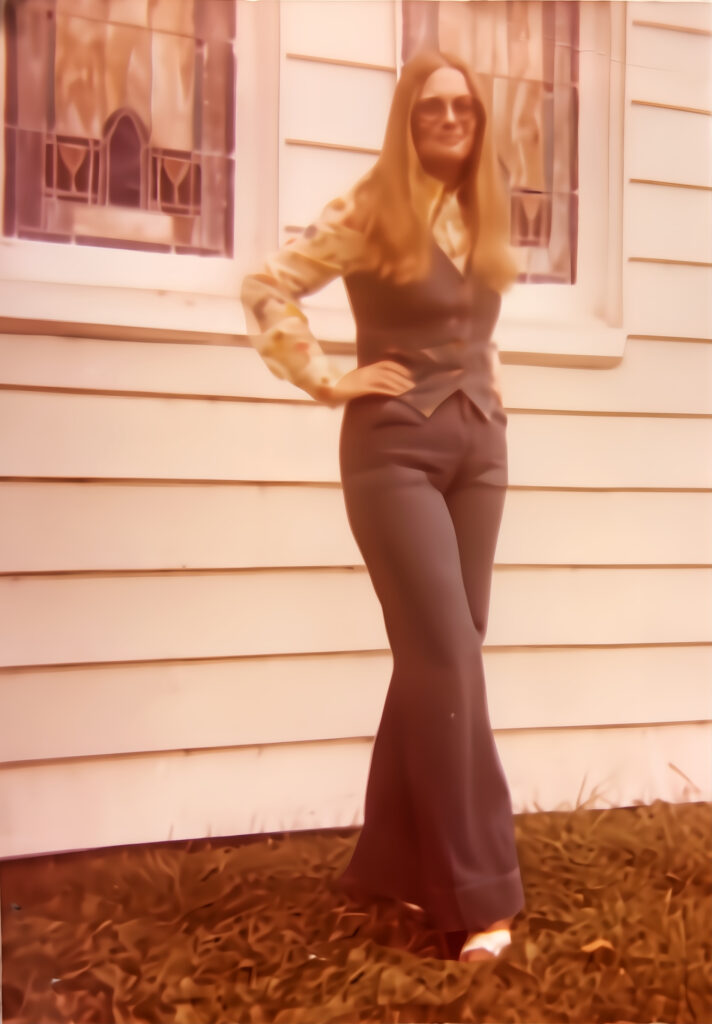
We regularly attended Gethsemane Fellowship, a charismatic church where I loved the music and my mother loved the pastor (Steve Marie) because he occasionally forgot to take the offering. “He’s such a good man,” she would say. “He’s not just trying to take people’s money.”
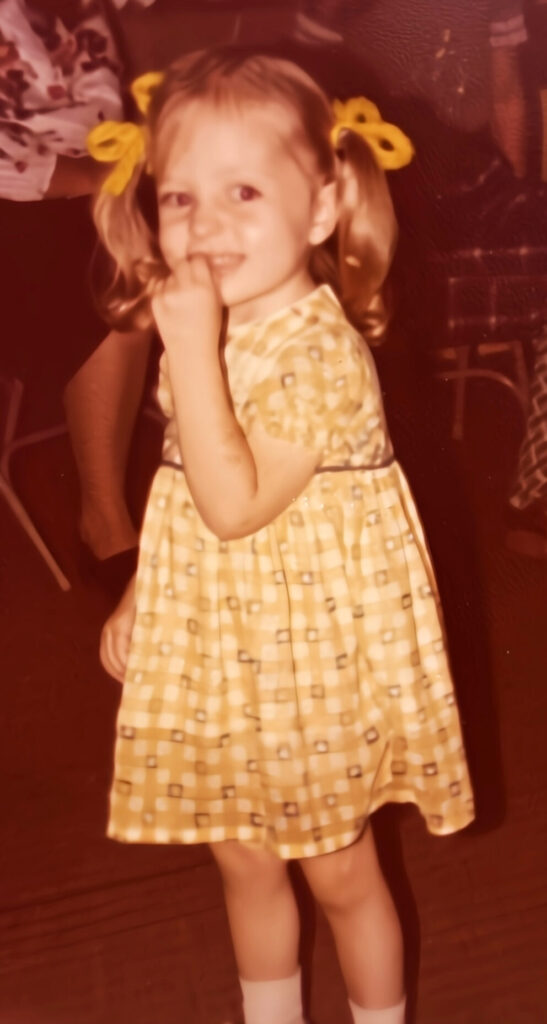
I also spent summers at the Baptist church’s Vacation Bible School, where I memorized scriptures in exchange for candy. One memory stands out in particular. After spending hours committing the entire 23rd Psalm to memory, I proudly recited it from beginning to end, fully expecting a reward that matched the effort. Instead, I received a single piece of bubble gum. Even as a child, I remember thinking that didn’t seem fair.
Over the years, I attended Baptist, Presbyterian, Methodist, Catholic, every brand of Pentecostal (CP, AG, ALJC, COG, COGIC, etc), and probably a few other churches I’m forgetting. My mother was mostly concerned with finding a church where she didn’t have to give away her money or wear dresses. I, on the other hand, was just trying to figure out who God was, and what exactly He wanted from me.
Looking back, church was a constant throughout my childhood. Those experiences introduced me to many different expressions of faith and taught me an interesting lesson: nearly everyone seemed convinced their religion was the truest one. As a little girl trying to make sense of it all, I found that both fascinating and confusing.
If nothing else, growing up at Court 3, Lot 10 gave me an unusually broad introduction to Christianity. After all, I was growing up smack in the middle of the Bible Belt.
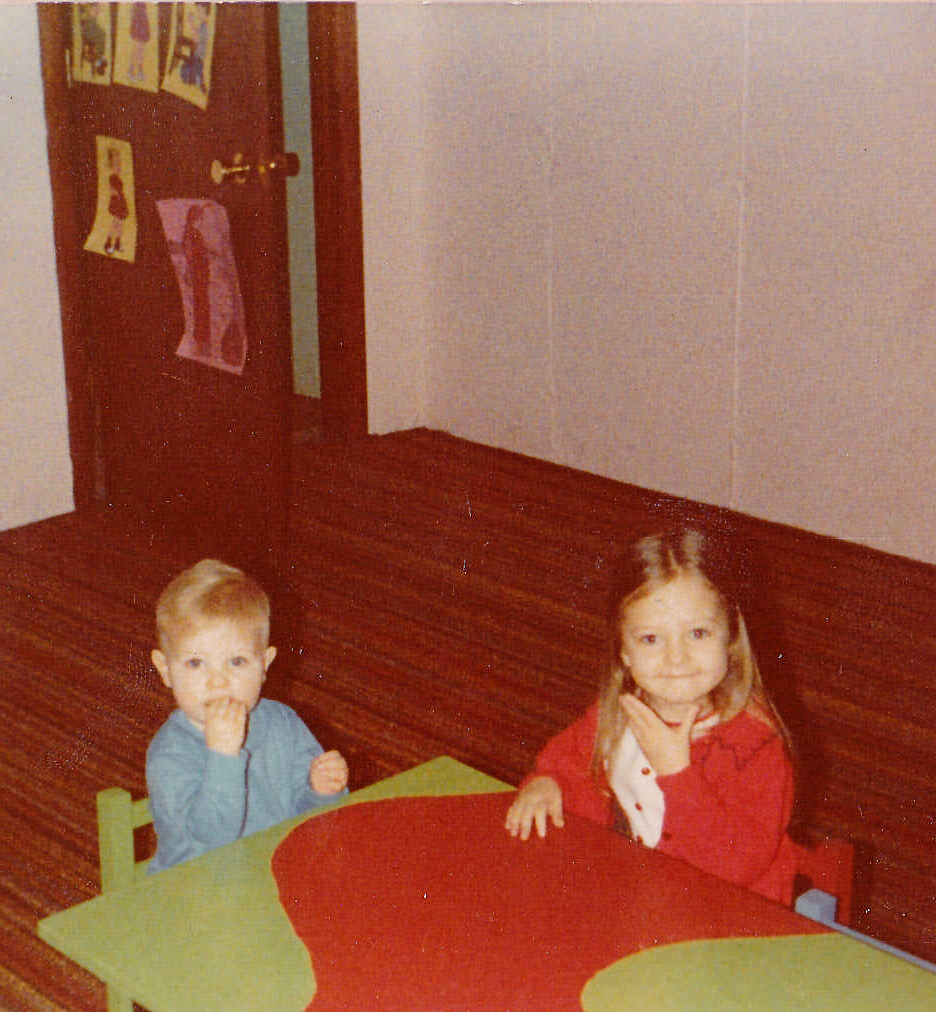
Preschool
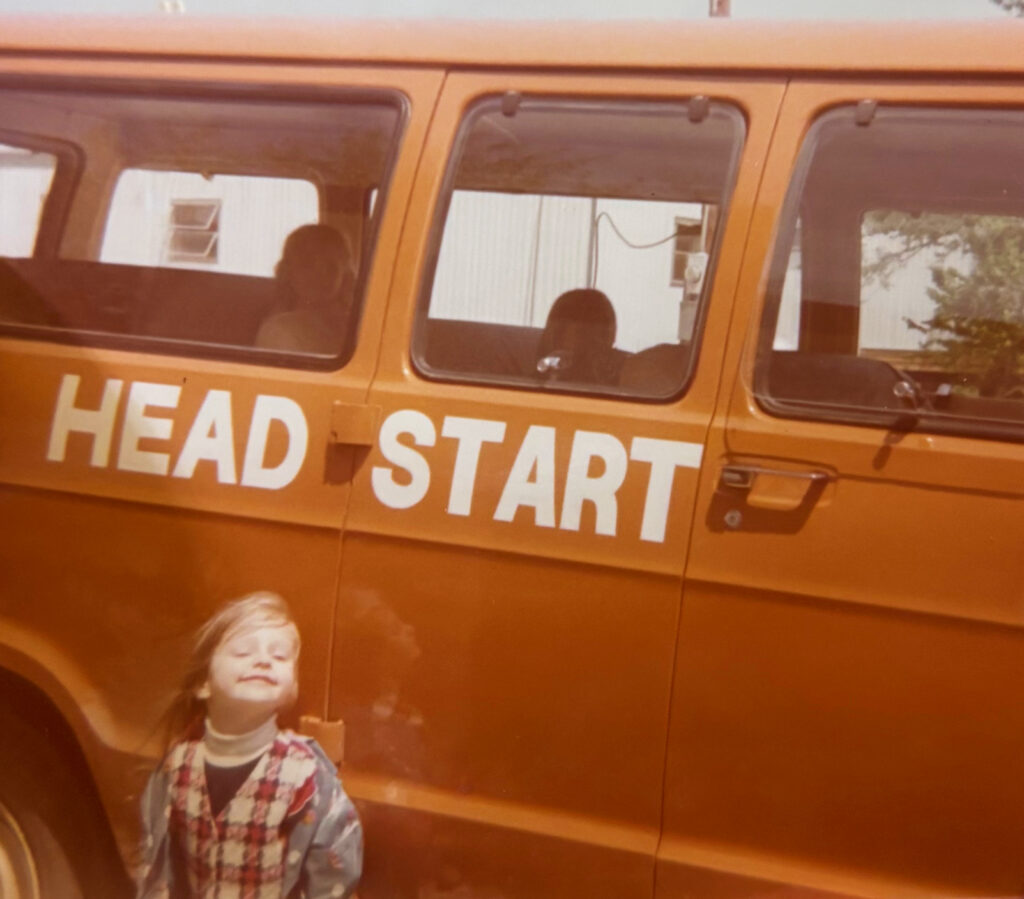
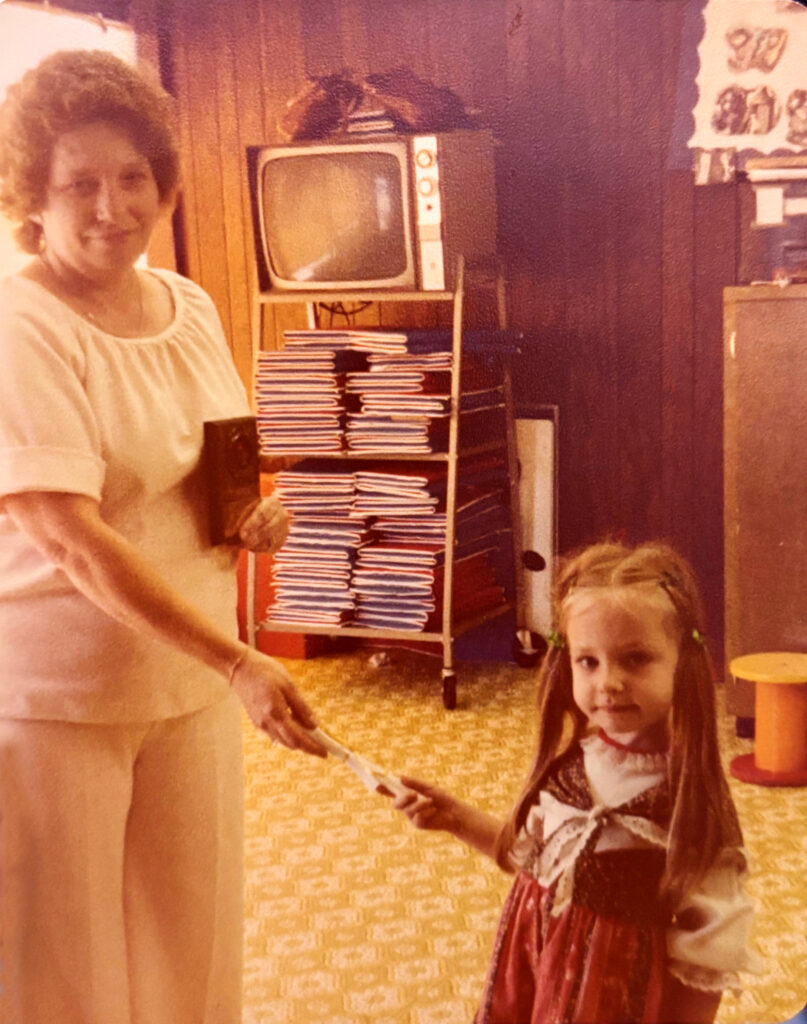
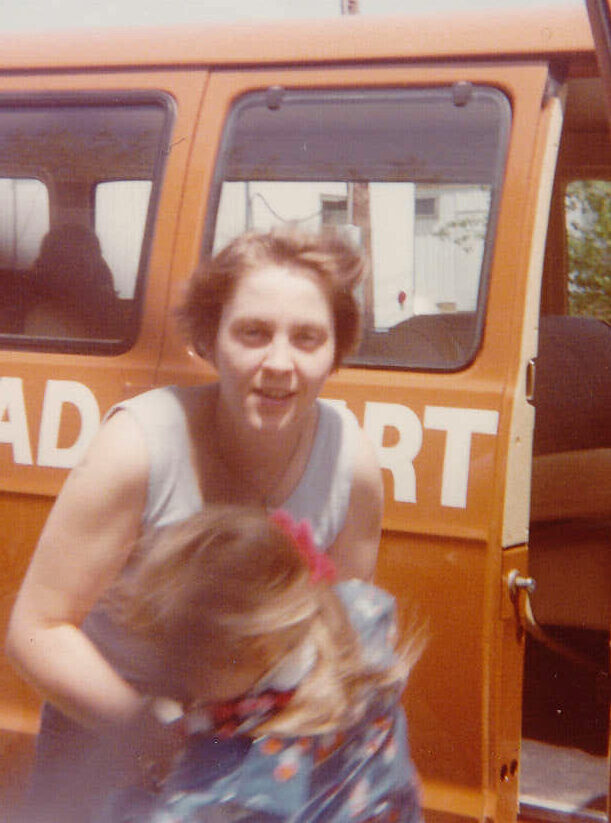
I attended a preschool program called Head Start when I was three and four years old, and conveniently, the van picked me up right at the trailer. I loved preschool. My favorite part was riding the tricycles around the paved schoolyard whenever the weather cooperated.
I actually have several vivid memories from those years. I remember taking naps on the mats they provided, which I did not love. I mean, who wants to nap when there are tricycles to ride?
I also remember learning how to hammer nails into wooden blocks. It was the 1980s. These were the kinds of practical skills preschoolers apparently learned back then! One day, I missed the nail and smashed my thumb instead. Oddly enough, I still think about that incident whenever I’m hammering a nail today. Thanks to my preschool injury, I learned early not to hold the nail too long and to get my thumb out of the way!
Another memory is a little less pleasant. I got into trouble one day and was sentenced to the dreaded “time-out tube.” It was a tall yellow plastic cylinder with a seat inside. For punishment, you had to climb in, sit down, and then a teacher would spin it around so you faced the corner and couldn’t see what anyone else was doing. Looking back, I suspect I was only in there for ten minutes or so, but at four years old, it felt more like ten hours.
Guffy’s
I remember a little convenience store called Guffy’s Market at the entrance to the trailer park. Whenever we needed bread, milk, or some other household staple, that’s where we went. I also remember stealing a piece of candy from Guffy’s one time. When my sister found out, she marched me right back into the store and made me apologize.
My bus stop was also in front of Guffy’s for a time. I remember one day as I was getting off the bus, a man sitting in a white van called out and asked if I wanted a piece of candy. By then, I was smart enough to say no and run away. Thank goodness I did. Looking back, who knows what might have happened otherwise? I remember being one of many neighborhood kids interviewed about that suspicious white van.
The early 1980s seemed full of stories about missing children, and that encounter has stayed with me ever since. It’s unsettling to think how differently that day could have turned out.
Ironically, Dan and I now live in a white van for much of the year. Every once in a while, that childhood memory pops back into my head. As a kid, a white van felt like the most suspicious thing imaginable. Today, it’s home.
Rest assured, though, I make it a point never to pull up next to children and offer them candy. Some lessons are simply too important to forget. 😆
Queens IGA
It was less than a mile walk from our trailer to Queen’s IGA, our hometown grocery store, and I have quite a few memories of that place.
First, they had a giant “dump bin” full of coupons where my mom would park me while she shopped. My mission was to dig through the pile and find coupons for anything I recognized from our grocery list, especially if they were worth more than 25 cents off. I took my job very seriously.
Second, there was a coin-operated horse near the entrance. I’d sit on it as sweetly and innocently as possible, patiently waiting for some kindhearted shopper to take pity on me and buy me a horsey ride.
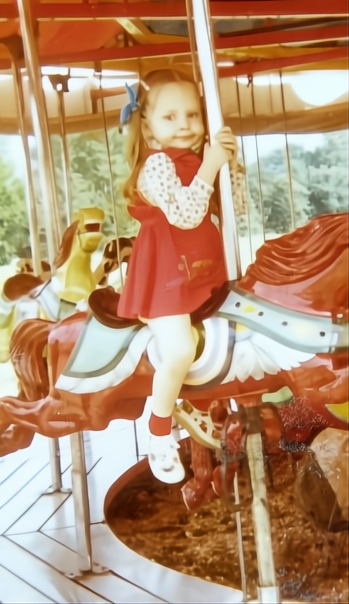
Third, there was a huge hill outside the store. Because IGA sat deep in the Meramec River valley, we had to climb all the way down to get there and then all the way back up when we left. My mother frequently complained about hauling heavy bags of groceries up that hill. From her perspective, it was a chore. From mine, it was an adventure.
I loved lying on my side and rolling all the way down the grassy slope. Then I’d race back to the top and do it again, over and over, until I was dizzy and covered in grass stains. To me, that hill wasn’t an obstacle. It was the world’s greatest playground.
Trailer Court Trash
My sister was embarrassed that we lived in a trailer court. As a teenager, she worked hard to hide that fact from her classmates. At the time, I didn’t understand why. Our life seemed perfectly normal to me.
Looking back, I understand much better. Living in a trailer court carried a stigma, and people like us were often given the cruel label of “trailer court trash.”
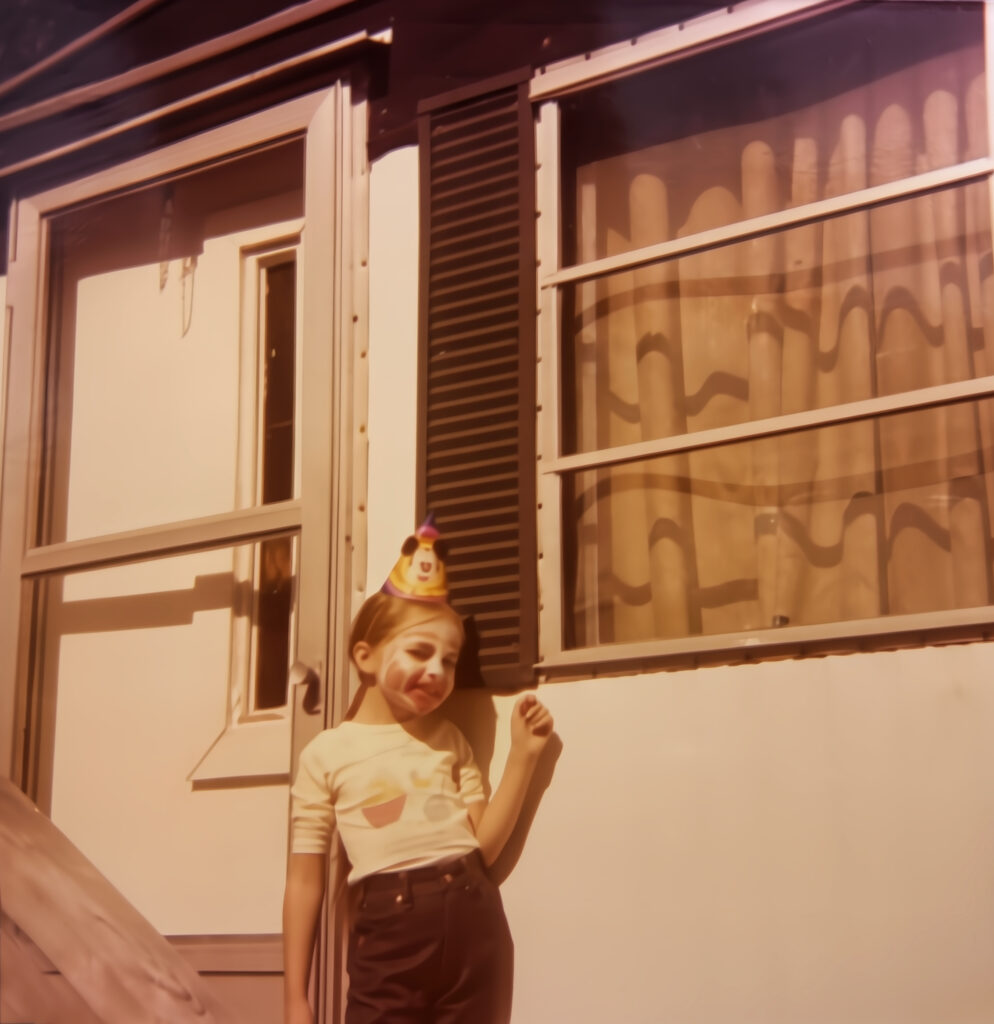
In one particularly creative move, my sister somehow managed to change our mailing address from “Court 3, Lot 10” to “1913 Dandelion Drive,” a nearby street that conveniently omitted the words “court” and “lot.” To this day, I have no idea how she pulled that off, but it mattered tremendously to her.
Now I understand why.
While I spent those years catching lightning bugs, climbing trees, rolling down grassy hills, and exploring every corner of my world, my sister was navigating the much more complicated terrain of adolescence. The trailer park that felt like an adventure to me felt very different to a teenage girl trying to fit in.
That’s one of the things I’ve come to appreciate about childhood: two people can grow up under the same roof and carry away entirely different stories. We lived in the same place, but we experienced it very differently.
Big Wheel
Living in a trailer court was not always a safe place for a child, especially one like me who had the freedom to roam and play with the neighborhood kids on my own.
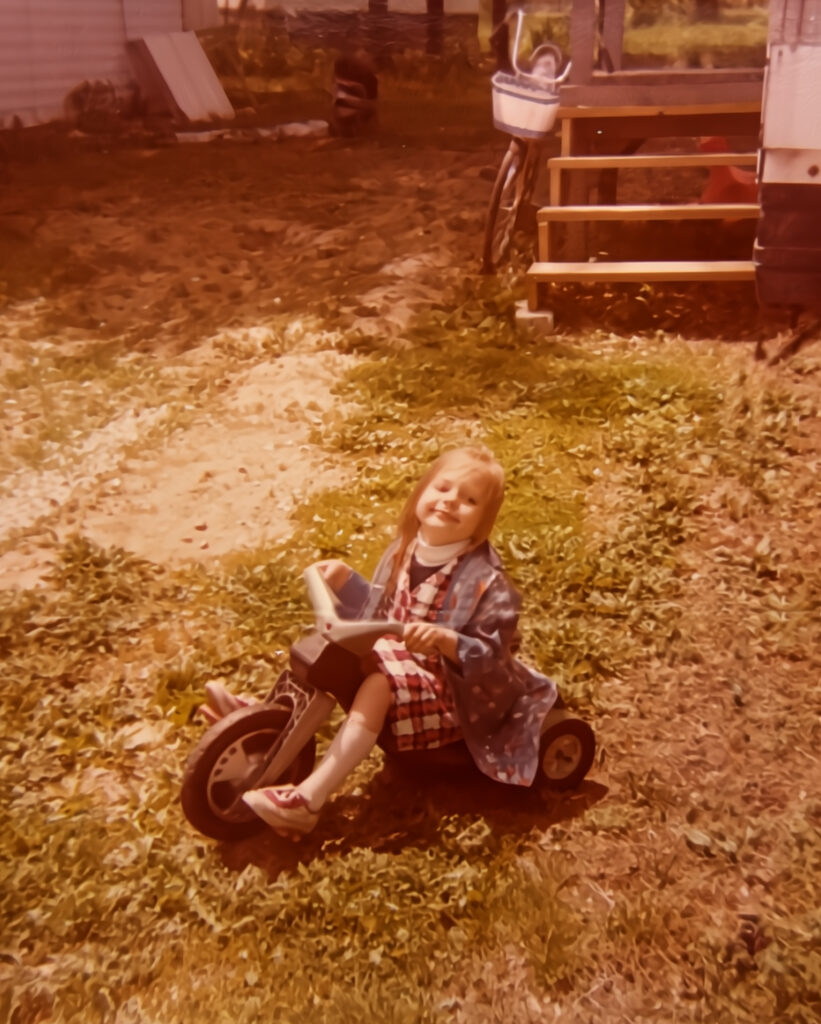
I’ll never forget an incident that happened when I was about five years old. My Big Wheel was my most prized possession. One of the older boys in the trailer court took it from me and refused to give it back unless I did something I didn’t understand at the time but now recognize as sexual abuse. Several other boys were present, making the experience even more confusing and humiliating.
Afterward, I got my big wheel back. From then on, I started bringing it inside for safekeeping.
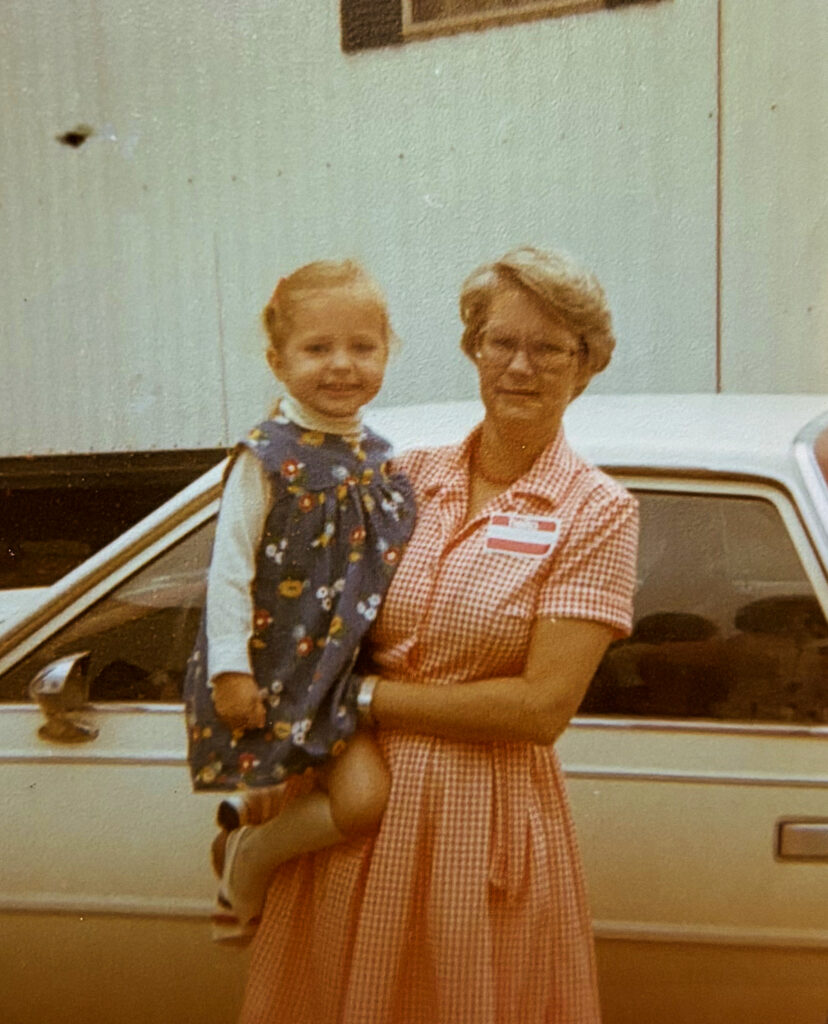
The boy told me to keep what had happened a secret, and I did for years. When I was around seven, I finally told my step-grandmother. She was outraged and immediately wanted to confront the boy and his family. I remember being terrified by that idea. After carrying the secret for so long, the thought of adults turning it into a public confrontation felt almost as frightening as the original incident.
Looking back now, what strikes me most is how vulnerable children can be and how little understanding they often have of what is happening to them. At five years old, I didn’t have the words for what had occurred. I only knew that something felt wrong and that I was supposed to keep it hidden.
Actually, It Wasn’t Safe
And since we’re sharing childhood trauma (or perhaps I’m the only one doing that…😂), here’s another unsettling experience from my trailer park years.
One day, while my friend Shannon and I were playing outside, a man approached us and asked if we would spend time with his daughter, who he said was lonely and had no friends. We followed him to his trailer, where we discovered his “daughter” was actually an adult woman with significant cognitive challenges.
After that, he began inviting us over regularly for what he called Bible studies. He told us Bible stories, often focusing on Adam and Eve being “naked and unashamed,” gave us candy and small gifts, and frequently told me I was his favorite.
Looking back, the grooming is obvious.
At seven years old, I had no idea.
One day, he suggested we play tag inside his trailer. When I followed him into a bedroom, he pulled me onto the bed and held me there. Somehow, I managed to break free and run.
I ran all the way home and told my mother what had happened.
She and her boyfriend immediately took me to the police station. After a report was filed, officers accompanied us back to the trailer. By then, it had been completely vacated. The man, the woman he claimed was his daughter, and all of their belongings were gone.
They were never seen again.
Well, almost.
Sometime later, Shannon and I thought we spotted him in the distance while we were playing outside. We immediately ran into her house and locked the door. Whether it was really him, I’ll never know.
Either way, we never saw him again.
The trailer court felt safe to me at the time. Looking back, I realize it actually wasn’t.
Happy
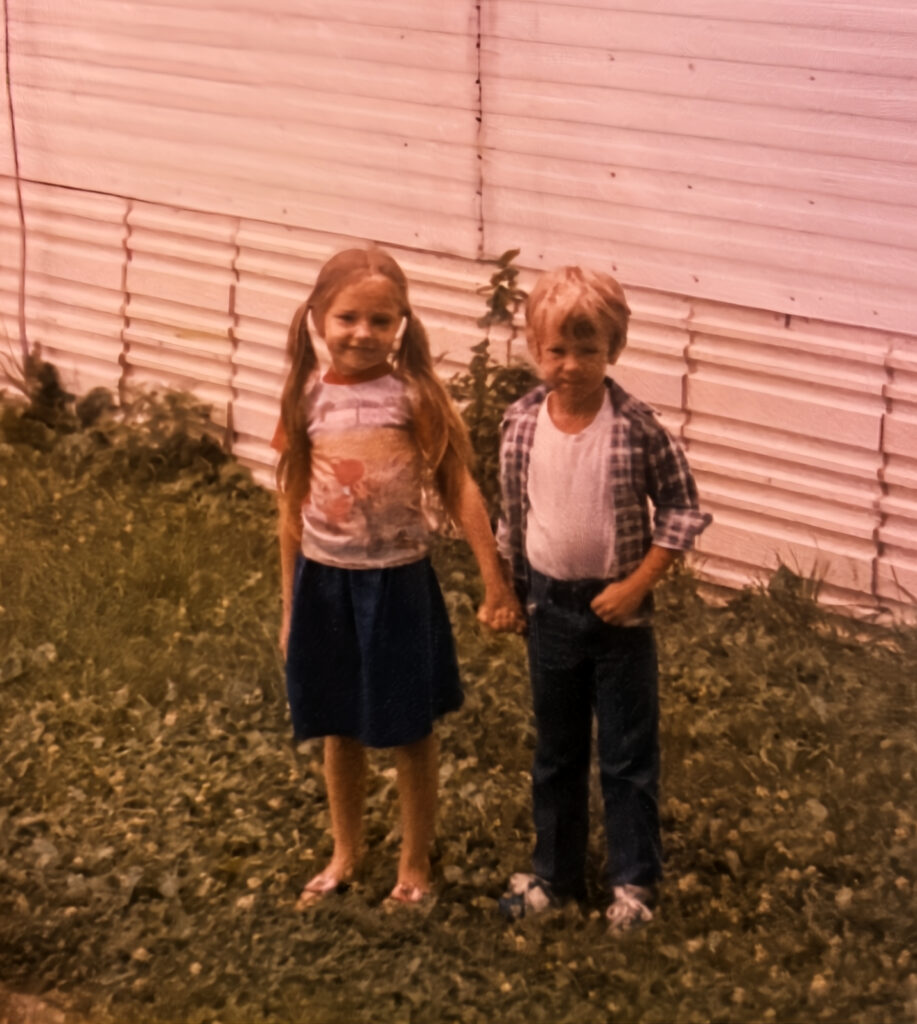
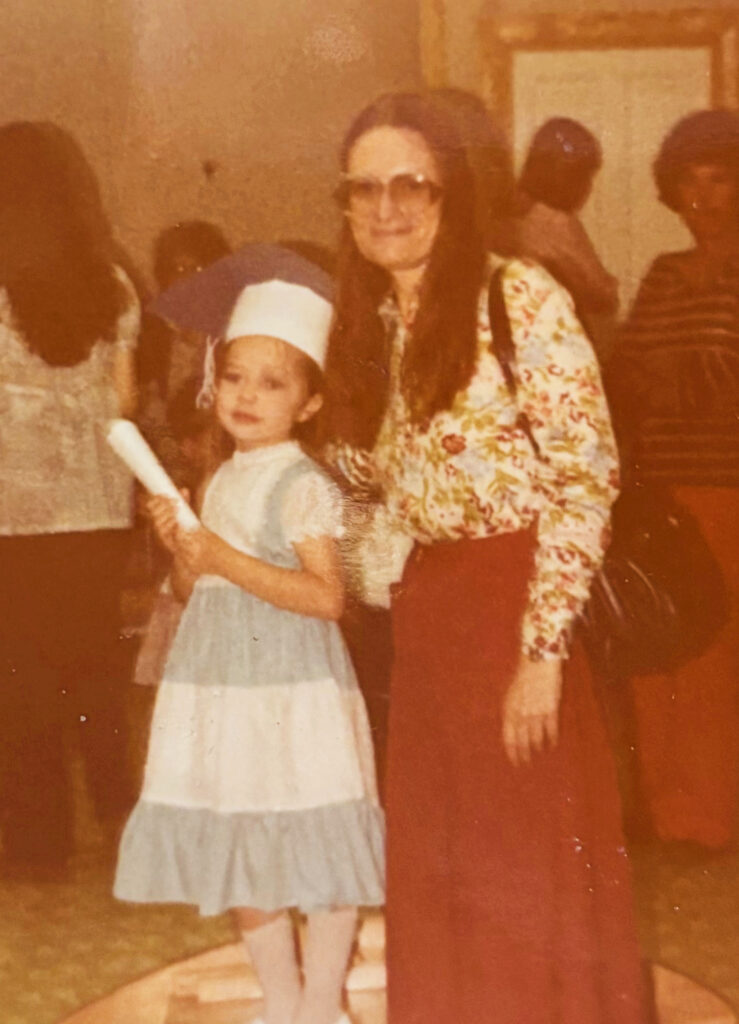
The man in the trailer next door was named Happy. I remember him as a kind Black man with a great big smile. Whenever he saw me, he’d ask how I was doing and remind me to “have fun.” I think he even took this photo of me and my “boyfriend Shawn”.
I also remember lying in bed at night and hearing yelling coming from his trailer. A woman lived there with him, and everyone assumed they were arguing.
Then, one day, police cars arrived.
After that, I never saw Happy again.
Later, I learned that he had taken his own life.
And that’s how I learned one of life’s harder truths:
Being called Happy doesn’t necessarily mean you are.
Ruby Ray
Ruby Ray lived in the trailer on the other side of us. She was a sweet older woman with fuzzy white hair who, in my memory, often needed a little help.
One winter, it snowed so heavily that the drifts covered our doors and windows, effectively trapping us inside. Everyone became concerned about Ruby Ray and whether she was safe.
Somehow, it was decided that I should be the one to check on her.
I crawled out through a window, trudged over what felt like mountains of snow, and made my way to her trailer. After climbing in through a window, I found her safe, warm, and doing just fine.
Looking back, I’m not sure many people would send a child on that mission today. But that’s how life worked at Court 3, Lot 10. We looked out for one another.
A Christmas Memory
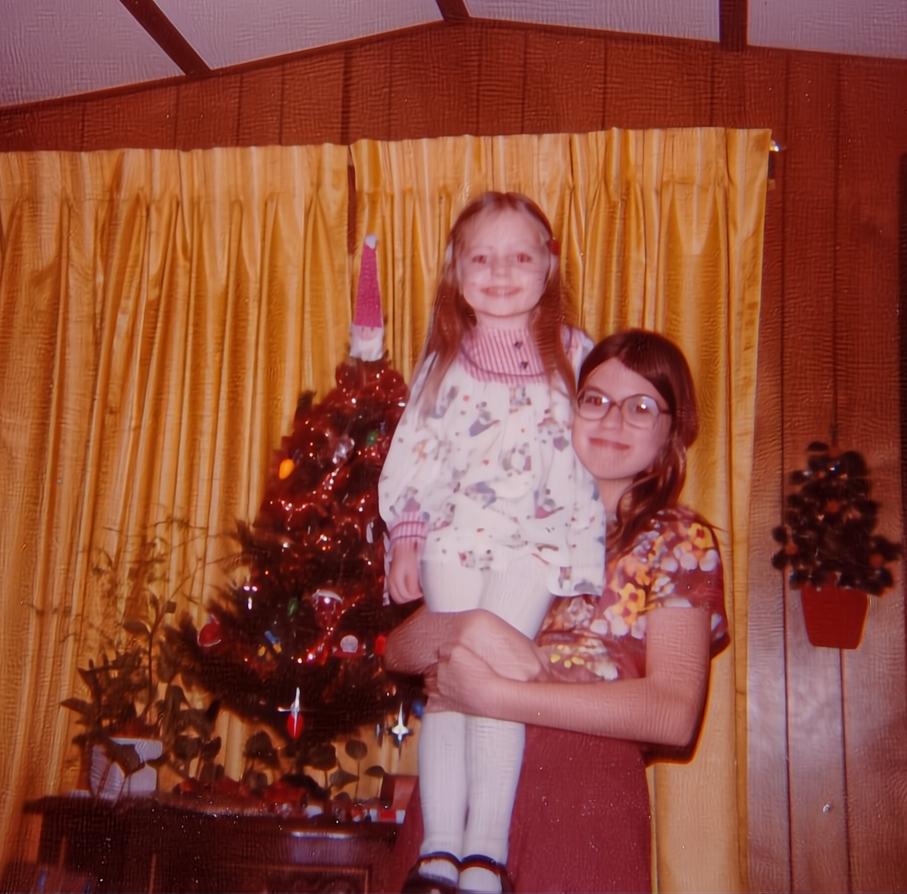
One Christmas when I was around five years old, my mom was struggling more than usual. I remember her explaining that there probably wouldn’t be many presents that year because money was tight.
Then one day, a woman knocked on our trailer door. I overheard her ask my mom, “Is there a little girl living here?”
When my mom said yes, the woman handed her a wrapped gift and asked her to give it to me.
Inside was a brand-new Strawberry Shortcake doll. She was the kind you could squeeze, and a little puff of strawberry scent would come out of her mouth. I thought she was absolutely magical.
I played with that doll constantly. In fact, I can still remember exactly how she smelled all these years later.
I don’t know the woman’s name or what she looked like. But I never forgot her kindness.
As you’ll see later in Part Two of this story, that memory came rushing back to me in an unexpected way during our recent visit to Pacific.
Mom’s Boyfriends
I also remember my trailer park years as the era of my mom’s revolving-door boyfriends. Some I liked. Some I didn’t.
There was Jack, the man who didn’t like kids. Whenever he came over, I’d be sent to my room with a package of Buddig chicken for dinner and instructions to be quiet. Eventually, they stopped dating because he died.
Then there was Morris, the wealthy businessman who took us to Joe Boccardi’s, the fanciest restaurant I’d ever seen. I was thoroughly impressed. Eventually, they stopped dating because he died, too.
And then there was George.
George met my mother in church and convinced her he was a good Christian man. As it turned out, he was an alcoholic and a drug addict. Unlike Jack and Morris, George did not die.
He married my mother and became my stepfather.
I could say much more about that, but I’ll save it for another blog post.
Suffice it to say, I wished Morris hadn’t died.
Not long after that, at age seven, I left Court 3, Lot 10 behind and moved into my first house.
Reflection
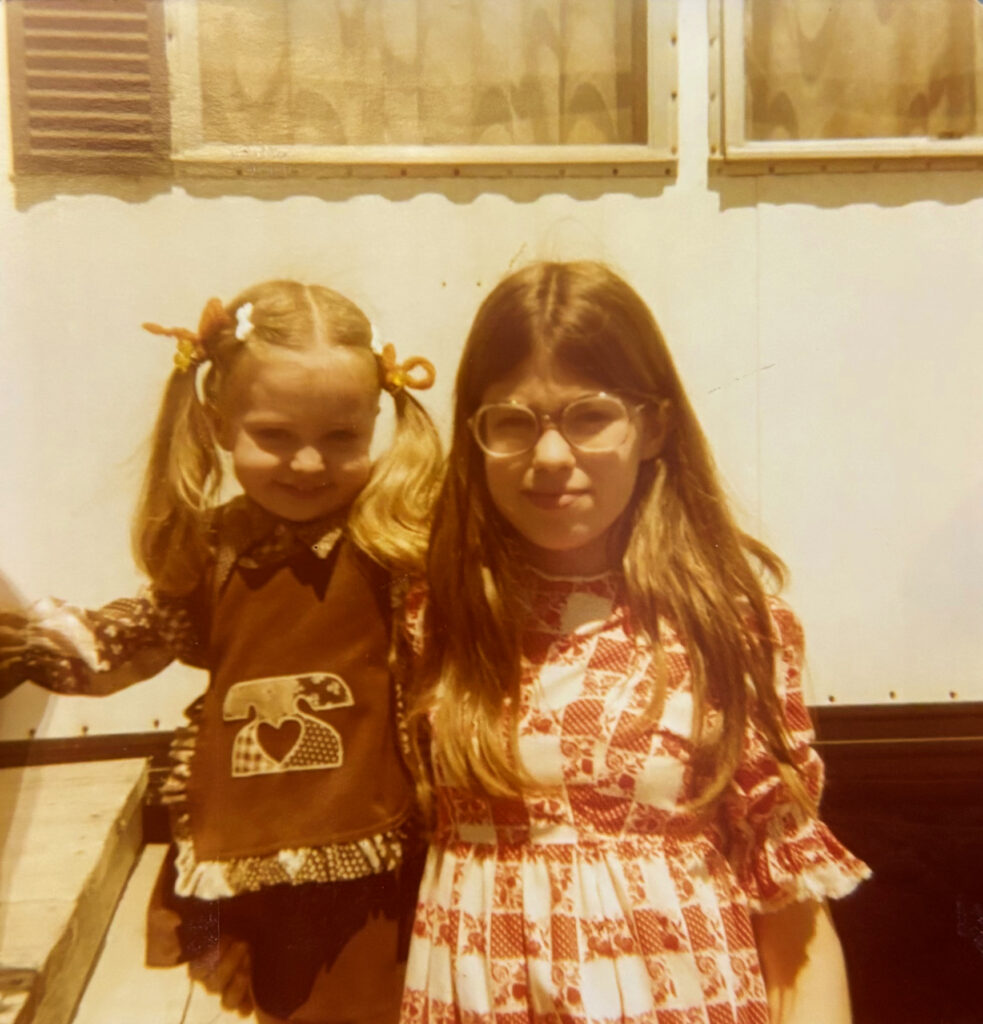
Looking back now, what strikes me most is how little context children have for the lives they’re living.
They don’t understand why their family struggles. They don’t know what came before, what burdens their parents carry, or how closely they may have brushed past danger. They simply wake up each morning and call it normal.
For years, Court 3, Lot 10 existed in my memory as a collection of disconnected pieces:
The trailer.
The neighbors.
Guffy’s Market.
The churches.
The coupons.
A white van.
Long walks.
A little girl trying to make sense of the world around her.
What I didn’t realize then was that those years were shaping me in ways I wouldn’t fully understand until much later.
My Beliefs.
My Independence.
My Curiosity.
My Conscientiousness and carefulness with money.
My sense of adventure and love for walking and exploring.
It all started there.
At Court 3, Lot 10.
Fifty years later, I finally found myself ready to go back.
Next week: Part Two, Returning to Court 3, Lot 10.
Leave a Reply